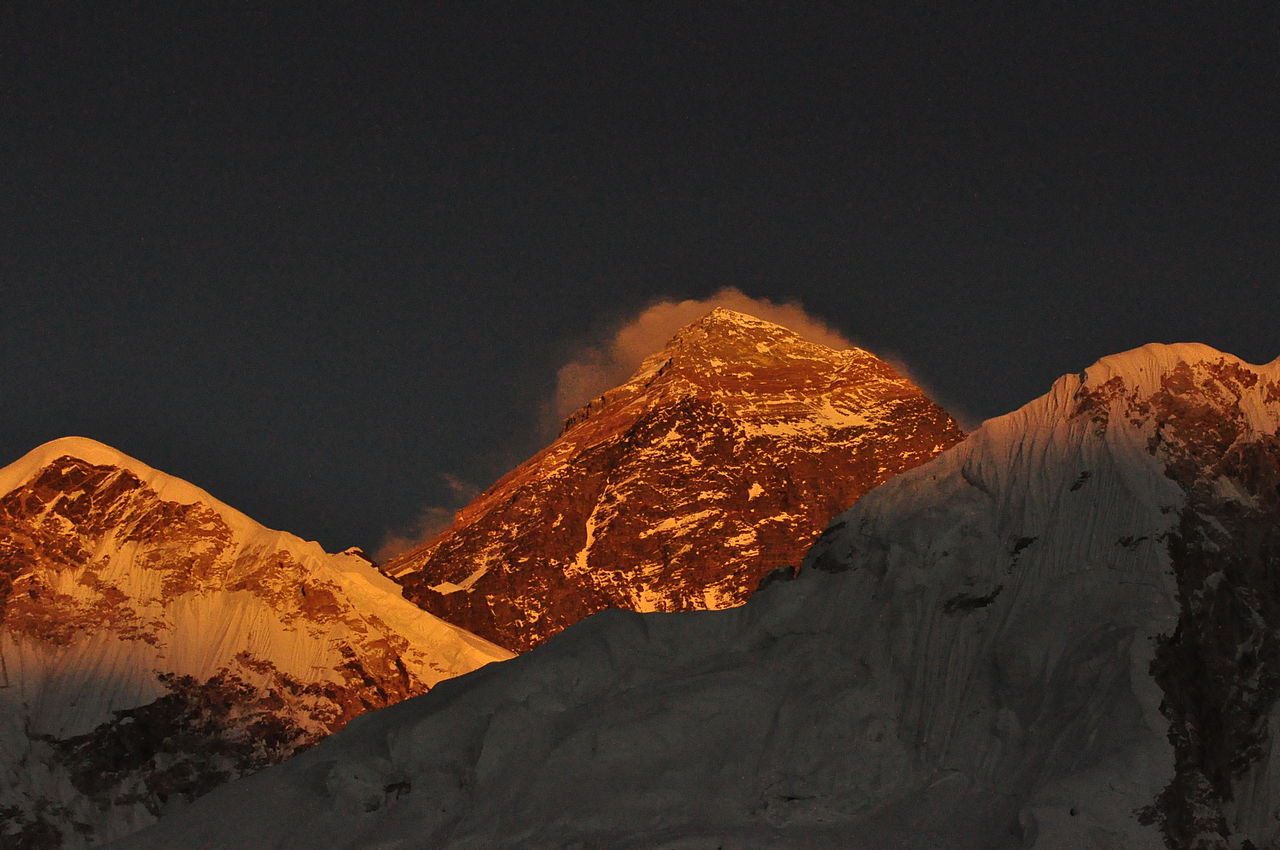
Kathmandu is now seeing a steady stream of arrivals as climbers from around the globe descend on Nepal's capital prior to the start of their expeditions in the Himalaya. There will be many notable arrivals in the days ahead, with some of the best mountaineers in the world traveling to Everest, Lhotse, and a number of other major mountains. But one mountain athlete is sure to get plenty of attention his spring as he makes his bid for the speed record on the tallest mountain on the planet.
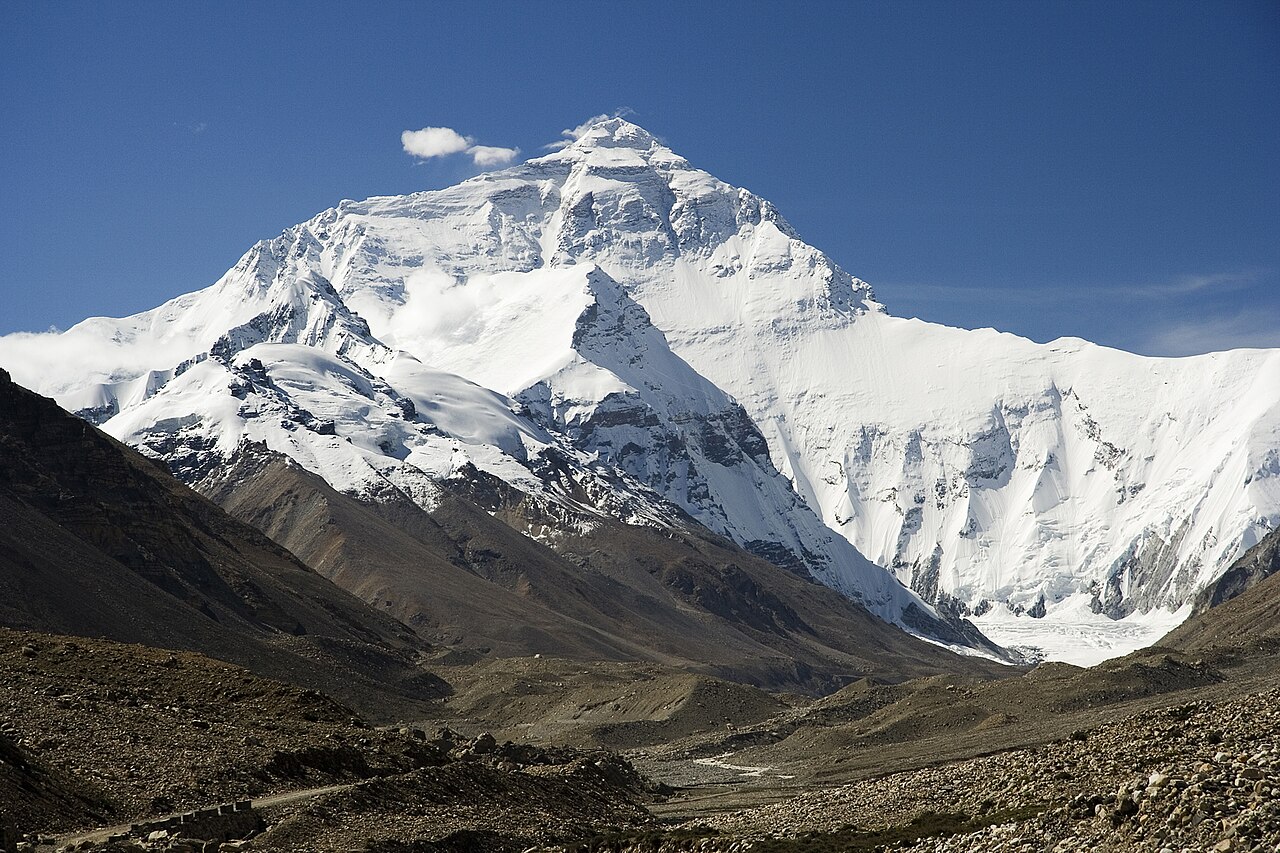
Spanish ultrarunner Kilian Jornet is preparing to depart for Nepal soon, where he'll pass through Kathmandu on his way to the Tibet. He will be climbing Everest from the North Side of the mountain due to the lower traffic on along that route. He also says that he will actually start his climb/speed-run lower in the valley, perhaps in the final village before reaching Base Camp. Kilian tells Barrabes.com that he expects the project to take roughly seven weeks to wrap up, at which time he'll turn his attention to some of the major ultrarunning competitions in the U.S. and Europe.
While it will certainly be interesting to watch Kilian's speed-record attempt unfold, it should be noted that there really isn't going to be a time to compare it to. No one has ever done the speed record from the North Side before, and since he is starting further down the mountain, his time won't compare to someone who has started in BC for instance. Still, we all know that Kilian puts on a show when he is focused on a project, and I expect this will be no different. He'll do some impressive things on Everest for sure, but it will still be interesting to see how he performs at such high altitudes. Jornet has never had to deal with the thin air on a Himalayan peak, and this will be a very different test for him.
Kilian should be departing for Kathmandu sometime this week.
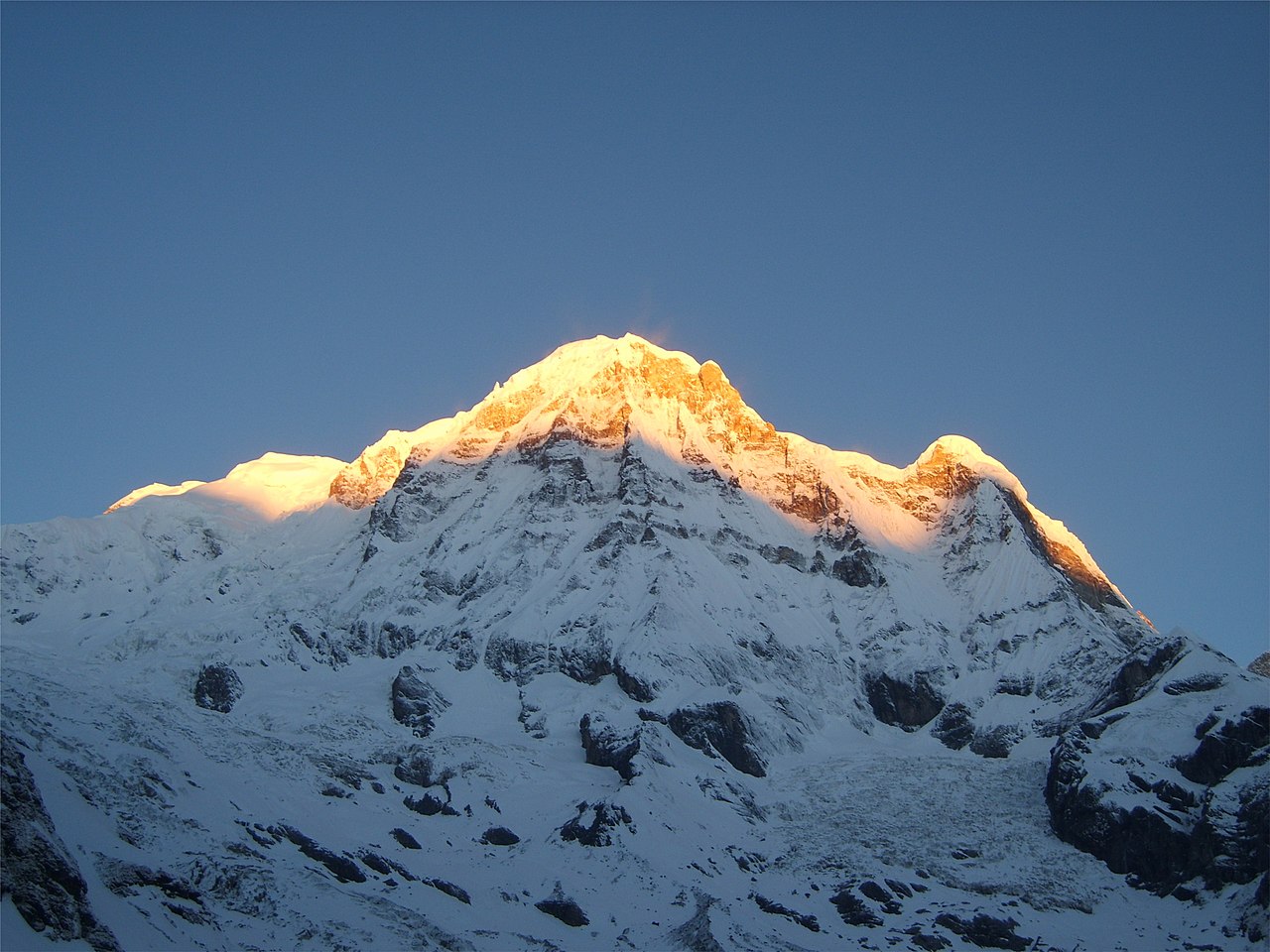
Meanwhile, over on Annapurna, another Spaniard is getting ready for his climb. Carlos Soria has checked in from Base Camp and says that the weather remains dicey at the moment. Heavy snows have fallen on the mountain, creating unstable conditions that are keeping all of the teams in BC at the moment. They hope to launch summit bids sometime this week, but unstable conditions and continued poor weather will likely dictate when they can proceed.
Annapurna has a reputation for the being the most dangerous mountain in the world. It is well known for having numerous avalanches, which makes the climbers there very cautious about when they go up. Teams arrived early on the mountain this year in an attempt to summit before to much spring snow fell on its slopes, and while there was some early success, the climbers there now have to wait to see when a window will open. It is still incredibly early in the season however, so hopefully that chance will come soon.
That's all for today. More updates from the Himalaya soon.
Showing posts with label Tibet. Show all posts
Tuesday, March 31, 2015
Friday, March 27, 2015
Himalaya Spring 2015: Expeditions to Watch
This weekend many climbers from across the globe will set out for Nepal at long last. Even though there has already been action in the Himalaya this spring, the season won't truly get underway until next week when the teams begin arriving in Kathmandu in droves. It'll take them some time to get out to their various Base Camps, but things are about to get very interesting in the big mountains.
To prepare us for the season ahead, Alan Arnette shared a post yesterday detailing some of the major expeditions to watch in the weeks ahead. Most of these climbs center around Everest of course, but several will focus on other major peaks too. Alan himself will leave shortly for Nepal as well, where he'll be attempting Lhotse this spring.
Among the climbs that Alan recommends keeping an eye on this year are an expedition to the rarely visited North-Northeast Ridge, where Canadian Raphael Slawinski will be joined by Germans David Goettler and Daniel Bartsch to attempt a new route without the use of Sherpas or supplemental oxygen. This side of the mountain has only been scaled one other time, but a Russian team back in 1996. The trio will be going up the ridge along a different path however.
Kilian Jornet's speed attempt on Everest will certainly get plenty of attention as well. His original plans were to make the attempt from the North Side, but Alan's report seems to indicate that is no longer the case. Considering the challenges and uncertainty that come with climbing in Tibet, and the fact that some operators switched sides and cancelled climbs on the North, perhaps Kilian has had to change up his plans as well. That will make things difficult for him, as the larger crowds on the South Side will certainly alter his approach.
Other interesting expeditions on the schedule an attempt to ski the Lhotse Coulair on Everest by Matt Moniz and Wilie Benegas. Alan says the coulair has never been fully skied before, and these two climbers will do it after summiting Everest. British climber Kenton Cool has ambitious plans for the weeks ahead as well. He'll first attempt to summit Everest – something he has done 11 times in the past – before moving on to Kangchenjunga and eventually K2. 23-year old Brit Rupert Jones-Warner will attempt to summit Everest from both the North and South Side, using a helicopter to travel between the two Base Camps on the respective sides of the mountain. Finally, German climbing legend Ralf Dujmovits is returning to Everest once again to attempt to summit without the use of bottled oxygen. Ralf has already climbed all 8000-meter peaks, but feels he has unfinished business on Everest after using O's to summit that peak.
That's the run-down of Alan's suggestions for climbs to watch this spring. Of course, I'm sure there will be plenty of other interesting expeditions to keep an eye on as well. The season is only about to get underway, so there should be plenty of action to come.
To prepare us for the season ahead, Alan Arnette shared a post yesterday detailing some of the major expeditions to watch in the weeks ahead. Most of these climbs center around Everest of course, but several will focus on other major peaks too. Alan himself will leave shortly for Nepal as well, where he'll be attempting Lhotse this spring.
Among the climbs that Alan recommends keeping an eye on this year are an expedition to the rarely visited North-Northeast Ridge, where Canadian Raphael Slawinski will be joined by Germans David Goettler and Daniel Bartsch to attempt a new route without the use of Sherpas or supplemental oxygen. This side of the mountain has only been scaled one other time, but a Russian team back in 1996. The trio will be going up the ridge along a different path however.
Kilian Jornet's speed attempt on Everest will certainly get plenty of attention as well. His original plans were to make the attempt from the North Side, but Alan's report seems to indicate that is no longer the case. Considering the challenges and uncertainty that come with climbing in Tibet, and the fact that some operators switched sides and cancelled climbs on the North, perhaps Kilian has had to change up his plans as well. That will make things difficult for him, as the larger crowds on the South Side will certainly alter his approach.
Other interesting expeditions on the schedule an attempt to ski the Lhotse Coulair on Everest by Matt Moniz and Wilie Benegas. Alan says the coulair has never been fully skied before, and these two climbers will do it after summiting Everest. British climber Kenton Cool has ambitious plans for the weeks ahead as well. He'll first attempt to summit Everest – something he has done 11 times in the past – before moving on to Kangchenjunga and eventually K2. 23-year old Brit Rupert Jones-Warner will attempt to summit Everest from both the North and South Side, using a helicopter to travel between the two Base Camps on the respective sides of the mountain. Finally, German climbing legend Ralf Dujmovits is returning to Everest once again to attempt to summit without the use of bottled oxygen. Ralf has already climbed all 8000-meter peaks, but feels he has unfinished business on Everest after using O's to summit that peak.
That's the run-down of Alan's suggestions for climbs to watch this spring. Of course, I'm sure there will be plenty of other interesting expeditions to keep an eye on as well. The season is only about to get underway, so there should be plenty of action to come.
Wednesday, February 11, 2015
Prominent Mountaineers Making Plans For Spring Himalayan Expeditions
The winter climbing season is still in full swing, but already some of the more prominent mountaineers are looking ahead to the spring season in the Himalaya, which will once again be a busy one. Everest will of course be at the epicenter of those efforts, but there will be plenty of action to follow on other major peaks as well. While many climbers have yet to reveal their plans just yet, here are a few that we know about already.
Last week it was revealed that 76-year old Carlos Soria will attempt a double-header in the Himalaya this spring. In fact, he will actually depart for Nepal this Saturday so that he can get started on his acclimatization well ahead of his climbs. Carlos hopes to make an early attempt on Annapurna (8091 m/26,545 ft) and then jump over to Dhaulagiri (8167 m/26,794 ft) afterwards. If all goes according to plan, he'll add two more major peaks to his already impressive resume. As he prepares to depart, the Spaniard says that he is feeling good and looking forward to the challenge ahead.
Despite having been to Everest on six previous occasions, Ralf Dujmovits isn't quite done with the mountain just yet. He tells Stefen Nestler that he plans to return to the Big Hill this spring to attempt to summit without oxygen. Ralf has climbed all of the 8000 meters peaks, and with the exception of Everest back in 1992, he has done so without the use of supplemental oxygen. He aims to return this year and remedy what he now sees as a blemish on his climbing record.
Ralf will be climbing from the North Side this time out, and he is saying that this will definitely be his last expedition to Everest. He is far from finished climbing or pursuing other adventures, but at the age of 53 he is now seeking challenges elsewhere.
Of course, the other major event to take place on Everest this spring will be Kilian Jornet's attempt at a speed record. After setting impressive new marks on both Denali and Aconcagua in 2014, he'll have his work cut out for him on Everest. There is no question that Jornet is an impressive athlete, and I suspect he'll put in an impressive show on the tallest mountain on Earth. But he has never operated at an altitude like he one he'll experience on Everest. It will be interesting to see if he can maintain the level of performance that we've seen out of him in the past when he gets above 8000 meters (26,246 ft).
There will of course be plenty of other expeditions to follow in the weeks ahead. We're about six weeks off from the start of the spring season, and it is already shaping up to be an interesting one.
Last week it was revealed that 76-year old Carlos Soria will attempt a double-header in the Himalaya this spring. In fact, he will actually depart for Nepal this Saturday so that he can get started on his acclimatization well ahead of his climbs. Carlos hopes to make an early attempt on Annapurna (8091 m/26,545 ft) and then jump over to Dhaulagiri (8167 m/26,794 ft) afterwards. If all goes according to plan, he'll add two more major peaks to his already impressive resume. As he prepares to depart, the Spaniard says that he is feeling good and looking forward to the challenge ahead.
Despite having been to Everest on six previous occasions, Ralf Dujmovits isn't quite done with the mountain just yet. He tells Stefen Nestler that he plans to return to the Big Hill this spring to attempt to summit without oxygen. Ralf has climbed all of the 8000 meters peaks, and with the exception of Everest back in 1992, he has done so without the use of supplemental oxygen. He aims to return this year and remedy what he now sees as a blemish on his climbing record.
Ralf will be climbing from the North Side this time out, and he is saying that this will definitely be his last expedition to Everest. He is far from finished climbing or pursuing other adventures, but at the age of 53 he is now seeking challenges elsewhere.
Of course, the other major event to take place on Everest this spring will be Kilian Jornet's attempt at a speed record. After setting impressive new marks on both Denali and Aconcagua in 2014, he'll have his work cut out for him on Everest. There is no question that Jornet is an impressive athlete, and I suspect he'll put in an impressive show on the tallest mountain on Earth. But he has never operated at an altitude like he one he'll experience on Everest. It will be interesting to see if he can maintain the level of performance that we've seen out of him in the past when he gets above 8000 meters (26,246 ft).
There will of course be plenty of other expeditions to follow in the weeks ahead. We're about six weeks off from the start of the spring season, and it is already shaping up to be an interesting one.
Labels:
Annapurna,
Dhaulagiri,
Everest,
Himalaya,
Mountaineering,
Nepal,
Tibet
Wednesday, January 7, 2015
The State of Everest in 2015
With the 2015 spring climbing season in the Himalaya still there months off, there remains a lot of uncertainty surrounding Everest. Following the unprecedented shutdown of the mountain last spring – when an avalanche claimed the lives of 16 Sherpas – politics have played a significant role in governing the future of climbing on the world's tallest peak. This year, commercial teams will return to the mountain, but not without a degree of trepidation as to how the season will unfold.
With this in mind, Alan Arnette has posted another excellent article to his blog that takes a look at the shifting attitudes of climbers and guides heading to Everest this spring. In putting this article together, Alan reached out to some of the top operators on the mountain to gauge their feelings about what to expect in a few months time. Some were very candid in their response, while others spoke off the record. By compiling those responses, Alan is able to give us a glimpse of the season ahead.
I won't spoil the entire article here, as I think it is important that you read it in its entirety. I will point out some of the larger factors that will be impacting the season ahead however. For instance, there still seems to be a lot of uncertainty amongst the guides as to how things will unfold this year. So much so, that the Peak Freaks, one of the top operators on the mountain, have decided to cancel their 2015 and 2016 expeditions to Everest. Others have decided to move to the North Side in Tibet, where they'll be out from under the control of the Nepalese government. These include Alpenglow, who will take 8 clients to the Chinese side of the mountain this spring. It should be noted that Himex had intended to guide an expedition from that side as well, but didn't have any clients elect to climb from the North.
The teams climbing from the South will take a new route through the treacherous Khumbu Icefall this year. This will hopefully eliminate some of the danger and cut down on the amount of time spent in that area. The Sherpas that were killed last spring were passing through the icefall when the avalanche occurred, and the hope is that this new route will be safer all around. The teams are also looking at ways to reduce the number of trips required through the icefall as well, potentially using helicopters to help shuttle gear, although the Nepalese government has been reluctant to allow that in the past.
There is some ongoing debate as to whether or not the North Side is safer than the South. Most of the guides that Alan spoke to didn't feel that was the case, but a few did. The prevailing feeling is that there are fewer deaths on that side of the mountain due to the fewer number of climbers. If more teams had to Tibet to climb, the number of fatalities is likely to go up there as well.
Finally, Alan updates readers about the current situation with the canceled climbing permits from 2014. The Nepalese government had originally said that they would honor them for a period of five years, but the entire team would have to return intact, or climbers would lose their ability to use the permit. They have since backpedaled some on that decision, although the final ruling sits with the Cabinet that oversees the country. They have not made a final decision yet, and are considering charging an additional $1000 to each climber to bring the cost of the permits inline with current pricing. Those changes are keeping some of the mountaineers away at the moment while permit issues get sorted out.
As I said, this is a good article that will give you an indication of the current climate that surrounds Everest expeditions. If you're interested in what is happening there, you'll definitely want to check out the full article.
With this in mind, Alan Arnette has posted another excellent article to his blog that takes a look at the shifting attitudes of climbers and guides heading to Everest this spring. In putting this article together, Alan reached out to some of the top operators on the mountain to gauge their feelings about what to expect in a few months time. Some were very candid in their response, while others spoke off the record. By compiling those responses, Alan is able to give us a glimpse of the season ahead.
I won't spoil the entire article here, as I think it is important that you read it in its entirety. I will point out some of the larger factors that will be impacting the season ahead however. For instance, there still seems to be a lot of uncertainty amongst the guides as to how things will unfold this year. So much so, that the Peak Freaks, one of the top operators on the mountain, have decided to cancel their 2015 and 2016 expeditions to Everest. Others have decided to move to the North Side in Tibet, where they'll be out from under the control of the Nepalese government. These include Alpenglow, who will take 8 clients to the Chinese side of the mountain this spring. It should be noted that Himex had intended to guide an expedition from that side as well, but didn't have any clients elect to climb from the North.
The teams climbing from the South will take a new route through the treacherous Khumbu Icefall this year. This will hopefully eliminate some of the danger and cut down on the amount of time spent in that area. The Sherpas that were killed last spring were passing through the icefall when the avalanche occurred, and the hope is that this new route will be safer all around. The teams are also looking at ways to reduce the number of trips required through the icefall as well, potentially using helicopters to help shuttle gear, although the Nepalese government has been reluctant to allow that in the past.
There is some ongoing debate as to whether or not the North Side is safer than the South. Most of the guides that Alan spoke to didn't feel that was the case, but a few did. The prevailing feeling is that there are fewer deaths on that side of the mountain due to the fewer number of climbers. If more teams had to Tibet to climb, the number of fatalities is likely to go up there as well.
Finally, Alan updates readers about the current situation with the canceled climbing permits from 2014. The Nepalese government had originally said that they would honor them for a period of five years, but the entire team would have to return intact, or climbers would lose their ability to use the permit. They have since backpedaled some on that decision, although the final ruling sits with the Cabinet that oversees the country. They have not made a final decision yet, and are considering charging an additional $1000 to each climber to bring the cost of the permits inline with current pricing. Those changes are keeping some of the mountaineers away at the moment while permit issues get sorted out.
As I said, this is a good article that will give you an indication of the current climate that surrounds Everest expeditions. If you're interested in what is happening there, you'll definitely want to check out the full article.
Tuesday, December 16, 2014
The Cost of Climbing Everest: 2015 Edition
Whenever I discuss an expedition to Mt. Everest with someone who doesn't know much about mountaineering, I find that they are always surprised by two things. First, they have no idea that it takes roughly two months to summit the mountain after you factor in travel time to the Himalaya, getting to Base Camp, acclimatizing to the altitude, and waiting for the proper weather window. They are also continually shocked at how much an Everest climb actually costs, as they don't understand all the logistics involved.
To help all of us understand those costs better, each year, our friend Alan Arnette does a detailed analysis of the current going rates for an Everest climb. Yesterday, he posted the 2015 edition of his annual report, and it wasn't good news for prospective climbers. As Alan indicates in his report, costs have gone up substantially for the spring climbing season, and more companies are jumping across the border into Tibet in order to avoid ongoing strife between the Nepali government and the Sherpas in the wake of last year's shutdown on the South Side.
There are several significant factors that are causing the price of an Everest expedition to go up, including a raise in price for the climbing permit. This year, all climbers will be charged a flat-fee of $11,000 to get their name on a permit. In the past, it was usually about $10,000, with the overall price for the permit spread out across multiple climbers. Alan also says that more teams are increasing the amount of life insurance they are carrying for their Sherpa staff as well, going up from $10k to $15k, with the difference being covered by the clients of course. On top of that, Nepal has begun enforcing a 2012 rule that requires all trekkers and climbers to hire a local Sherpa guide for use during their visit. He estimated that will add an additional $4k to the price.
What does all of this mean for climbers wanting to attempt Everest? Alan says that the average price for a climb without western guides is now at $41,700. With western guides, that price rises to $57,000 on the South Side, and $46,000 on the North. In other words, it is a substantial sum of money no matter which side of the mountain you're climbing, and who you are climbing with. Alan is quick to point out that a few high-end guide services on the North Side are also skewing the average to a degree. Alpenglow and Himex have both jumped to the Chinese side of the mountain for 2015, and they charge $79,000 and $64,000 respectively. Without their numbers added into the mix, a North Side climb averages about $37,000.
But the big story isn't just the change in pricing. Alan says that there are major changes afoot in Nepal, as local operators take over the South Side. These companies have been offering good service for years, and now they have also learned the business side of leading expeditions as well. Many of these companies are now undercutting western guide services, and are attracting more and more clients. Alan warns that not all of these companies offer the same experience however, and that it remains a "buyer beware' environment.
This is just the very beginning of the report, as Alan also goes into the cost breakdown of the climb, examining the details of what you actually get for your money. He also looks at the price for planning your own Everest expedition, as well as the options for hiring guides, the size of teams, summit stats, and much more. Basically, this report contains everything you've ever wanted to know about putting together a climb on Everest, and then some.
If you follow the climate on Everest, much of what is reported here will come as no surprise. Considering the political fallout that came after the South Side was shutdown last spring, the future of expeditions to that side of the mountain remains a bit uncertain. Obviously the mountain is a cash-cow for the government of Nepal, but major disruptions could continue in the future, as disputes with labor still need to be resolved. It is a time of upheaval on Everest, and not all of the past conflicts have been settled just yet.
We still have a little over four months to go before the start of the busy Spring climbing season. It is already shaping up to be another interesting one.
To help all of us understand those costs better, each year, our friend Alan Arnette does a detailed analysis of the current going rates for an Everest climb. Yesterday, he posted the 2015 edition of his annual report, and it wasn't good news for prospective climbers. As Alan indicates in his report, costs have gone up substantially for the spring climbing season, and more companies are jumping across the border into Tibet in order to avoid ongoing strife between the Nepali government and the Sherpas in the wake of last year's shutdown on the South Side.
There are several significant factors that are causing the price of an Everest expedition to go up, including a raise in price for the climbing permit. This year, all climbers will be charged a flat-fee of $11,000 to get their name on a permit. In the past, it was usually about $10,000, with the overall price for the permit spread out across multiple climbers. Alan also says that more teams are increasing the amount of life insurance they are carrying for their Sherpa staff as well, going up from $10k to $15k, with the difference being covered by the clients of course. On top of that, Nepal has begun enforcing a 2012 rule that requires all trekkers and climbers to hire a local Sherpa guide for use during their visit. He estimated that will add an additional $4k to the price.
What does all of this mean for climbers wanting to attempt Everest? Alan says that the average price for a climb without western guides is now at $41,700. With western guides, that price rises to $57,000 on the South Side, and $46,000 on the North. In other words, it is a substantial sum of money no matter which side of the mountain you're climbing, and who you are climbing with. Alan is quick to point out that a few high-end guide services on the North Side are also skewing the average to a degree. Alpenglow and Himex have both jumped to the Chinese side of the mountain for 2015, and they charge $79,000 and $64,000 respectively. Without their numbers added into the mix, a North Side climb averages about $37,000.
But the big story isn't just the change in pricing. Alan says that there are major changes afoot in Nepal, as local operators take over the South Side. These companies have been offering good service for years, and now they have also learned the business side of leading expeditions as well. Many of these companies are now undercutting western guide services, and are attracting more and more clients. Alan warns that not all of these companies offer the same experience however, and that it remains a "buyer beware' environment.
This is just the very beginning of the report, as Alan also goes into the cost breakdown of the climb, examining the details of what you actually get for your money. He also looks at the price for planning your own Everest expedition, as well as the options for hiring guides, the size of teams, summit stats, and much more. Basically, this report contains everything you've ever wanted to know about putting together a climb on Everest, and then some.
If you follow the climate on Everest, much of what is reported here will come as no surprise. Considering the political fallout that came after the South Side was shutdown last spring, the future of expeditions to that side of the mountain remains a bit uncertain. Obviously the mountain is a cash-cow for the government of Nepal, but major disruptions could continue in the future, as disputes with labor still need to be resolved. It is a time of upheaval on Everest, and not all of the past conflicts have been settled just yet.
We still have a little over four months to go before the start of the busy Spring climbing season. It is already shaping up to be another interesting one.
Tuesday, November 18, 2014
Video: A Visual Journey Through Tibet
This video takes us on a visual journey through Tibet, giving us a look at the landscapes, landmarks, and people that make it such a special place. The country has a spiritual tone that pervades every aspect of the place, and it remains a popular destination for adventure travelers looking to visit the Himalaya, the Tibetan Plateau, and numerous other unique and wonderful places. If Tibet is one of the places that you'd like to visit, this video will only encourage those feelings further.
Tibet. from Alex Rivest on Vimeo.
Subscribe to:
Posts (Atom)