The poor weather that was preventing the climbers in Nepal from departing Kathmandu has dissipated over the past few days, and numerous teams are now on the move in the Khumbu Valley. Many are now making the long hike to Everest Base Camp, which actually marks the beginning of their acclimatization process for the climb to come. The trek takes roughly 8-10 days to complete, but is an important step for getting both physically and mentally prepared for the challenges ahead. Along the way they pass through numerous small villages filled with wonderful, inviting, people as they walk in the shadow of some of the most beautiful mountains on the planet. It is a truly memorable hike for those heading to Lhotse or the South Side of Everest.
Among those currently on the trail is Alan Arnette, who checked in from Namche Bazaar over the weekend. Namche is the largest town in the Khumbu, and one of the first milestones achieved on the trek. It is reached after just two days of hiking, but requires a tough slog up a steep hill to actually get to the village. Most trekkers and climbers take a rest day in Namche after they reach that point in order to let their bodies get use to the altitude. It is also one of the last places to purchase a piece of gear that you may have forgotten, or enjoy a few other amenities. The villages that follow are increasingly smaller, and have fewer shops and restaurants.
One of the familiar sounds of the Khumbu is the frequent ringing of bells that hang around the necks of the yaks that are used to carry gear, food, and other supplies to the various towns and camps that dot the landscape there. Anyone who has ever hiked through Nepal will recognize the distinctive sound immediately, and know that a yak train is coming through so they had better get off the trail. Yaks are indispensable in this part of the world, and are about as common on the trail as hikers. Watching them carry their heavy loads – at altitude – with ease is fascinating.
Also now on the move in the Khumbu Valley is the Altitude Junkies team. They reached Namche on Saturday and spent the traditional rest day there yesterday. They'll get back on the trail today as they head for Dingboche, the next popular stop on the hike. If they continue on schedule, the AJ squad should reach Base Camp sometime next weekend.
Meanwhile, Madison Mountaineering is sharing the first look at the new route through the Khumbu Icefall. In order to avoid some of the dangers that the porters faced last year – and which contributed to the avalanche that claimed 16 lives – the Icefall Doctors have pioneered a new route through this very dangerous section of the climb. The route now stays further to the right than what has been taken in the past, veering towards Nuptse. The hope is that this section of the climb will be much safer, and get the climbers through this treacherous section as quickly as possible.
Over on Annapurna the teams are still waiting for conditions to improve before they head up. But solo-climber Alex Barber has been working on his acclimatization in preparation for a summit bid down the line. After arriving in BC last week, he has now gone as high as Camp 2, and spent the night there, as he lets his body get use to the altitude. Over the weekend Alex returned to Base Camp however, where he is now waiting for conditions to improve before going back up once again.
Spanish climber Carlos Soria is hoping to launch his summit bid soon, and reports that the upper slopes of Annapurna are clear of snow at the moment. That bodes well for the climbers who are waiting for the weather to improve. Once a weather window opens, they can then proceed up with less fears of avalanches, something that the mountain is well known for this time of year.
Even though the season is now underway, most climbers are still en route to their respective Base Camps. For the most part, the climbing portion of their expeditions won't get underway for another week or so, but this is all part of the process, and crucial to their preparation. Things will really start to get exciting soon, but for now it is a slow and steady walk through one of the most spectacular regions of the world.
Showing posts with label Trekking. Show all posts
Monday, April 6, 2015
Friday, March 20, 2015
Video: 30 Days in Nepal
If you're looking for a very well made short-documentary to inspire some adventure this weekend, than look no further than the video below. It is a 30-minute film that follows the journey of the three friends who spent 30 days trekking the spectacular Annapurna Circuit in Nepal. The film gives viewers a taste of what it is like to travel from the chaotic streets of Kathmandu, to the breathtaking trails of the Himalaya. It also gives us wonderful glimpses of the culture, landscapes, and history of country as well. Sit back, get comfortable, and enjoy this one from start to finish.
Google Street View Takes Us to the Himalaya
Want to explore the Himalaya, but don't have the time or inclination to actually go yourself? Better yet, have you already been there but find yourself missing the spectacular mountain settings in Nepal? Than why not let Google Street View take you back without ever having to leave your comfortable home?
Recently, the Internet search giant sent it's Street View team to the Khumbu Valley with one if its Trekker backpacks. The high tech device is capable of capturing images in a 360ยบ circle around the wearer, and those photos are than stitched together using special software that creates panoramic shots of a region.
The team hiked all the way to Everest Base Camp, capturing some fantastic photos and video along the way. You can get a glimpse of that trek in the short video below, than click here to learn more about the project and to start exploring the Khumbu Valley yourself.
Recently, the Internet search giant sent it's Street View team to the Khumbu Valley with one if its Trekker backpacks. The high tech device is capable of capturing images in a 360ยบ circle around the wearer, and those photos are than stitched together using special software that creates panoramic shots of a region.
The team hiked all the way to Everest Base Camp, capturing some fantastic photos and video along the way. You can get a glimpse of that trek in the short video below, than click here to learn more about the project and to start exploring the Khumbu Valley yourself.
Thursday, March 12, 2015
Kilimanjaro Climb for Valor 2015: A Rescue On the Mountain
This article is the fourth in a new series about my recent Kilimanjaro climb. In the days ahead, I'll be sharing several articles about the experience to help readers prepare for a potential trek of their own in the future. If you'd like, you can read Part 1, Part 2, and Part 3 respectively.
Because Kilimanjaro is a non-technical climb there is a common misconception amongst those who haven't visited the mountain that it is actually a very easy trek to the top. In fact, I've actually spoken with some people who have been downright dismissive of a Kili climb, saying that it offers little in the way of a challenge, and isn't particularly difficult. This shortsightedness can lead to a few surprises however, catching some climbers off guard. While it is true that Kilimanjaro doesn't require any special mountaineering skills to summit, it still presents some serious challenges due to its altitude. At 5895 meters (19,341 ft) in height Kilimanjaro is not to be taken lightly, something that my entire climbing team was reminded of in dramatic fashion on our recent visit to the mountain.
The Climb for Valor team that went to Kilimanjaro last month with Tusker Trail was made up of a group of individuals who were about as healthy and physically fit as any group that you would find on the mountain. In fact, there were two Green Berets that were part of the team, as well as several widows of fallen U.S. special forces soldiers. The remainder of the team were also incredibly fit, and about as well prepared for a trek at high altitude as any group of travelers that I have ever been around. That high level of physical fitness would serve each of well in the days we would spend on the mountain, and would ultimately lead to a high level of success come Summit Day as well.
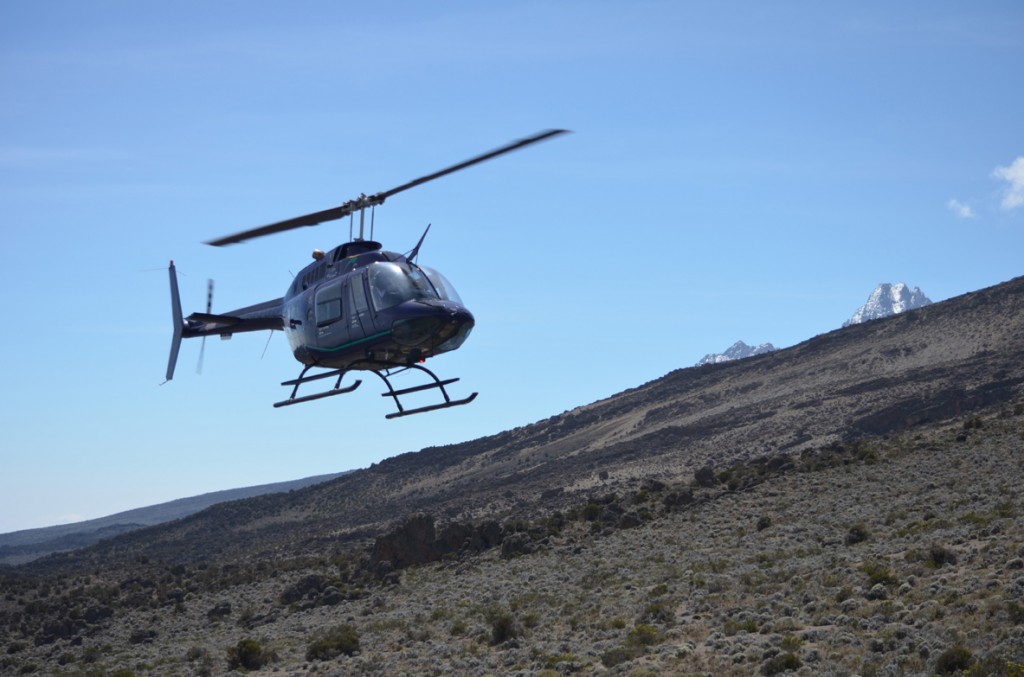
But sadly not everyone on the team was able to join us at the summit. In fact, a few days into our adventure we all faced a sobering reality that was an indicator of just how serious a Kilimanjaro climb can truly be. On our second night spent above 3962 meters (13,000 ft) two members of the team became quite ill, and ultimately had to be evacuated by helicopter from the mountain. While we all knew that altitude sickness was a serious concern, none of us expected to face it in such a dramatic fashion.
That evening, one of the members of the team – an incredibly fit Green Beret no less – became ill and started to have a difficult time breathing. A quick check of his oxygen levels revealed that he was at just 60% saturation, and his lungs were beginning to fill up with fluids. Fortunately the Tusker guides are well trained to handle situations like this one and they were quickly able to diagnose the problem, and oversee the patient's medical care on the mountain. It didn't hurt that Tusker is one of the few guide service on Kilimanjaro that carries both bottled oxygen and a portable altitude chamber (PAC), with the Tusker team well versed in how to handle both the oxygen and the PAC. The ailing climber was quickly placed inside the PAC to help alleviate his symptoms, but because he had developed High Altitude Pulmonary Edema (HAPE), the only way for his condition to improve compleltey was to get down off the mountain. Something that wouldn't be easy in his weakened state.
As part of the Climb for Valor package every Tusker climber was issued adventure travel insurance coverage from a company called Ripcord Travel Protection. Ripcord provides all of the standard coverages you would expect, including trip cancellation and interruption, as well as lost baggage coverage, and so on. But unlike most other travel insurance policies, it also covers emergency evacuations for medical and security purposes as well. It was fortunate that we all had this protection from Ripcord, as it allowed us to call in a helicopter to evacuate our strike companion from the mountain, allowing him to get the medical attention he needed in a much more expedited fashion.
The climber who was stricken with HAPE was placed inside the portable altitude chamber to help make him feel more comfortable until morning. By daybreak he was starting to feel a bit better, but it was still vitally important that he get off the mountain. By mid-morning a helicopter was sent to pick him up, and within a matter of minutes he was on his way to a local hospital where he was treated for his symptoms, and released that same day. Dropping in altitude had allowed him to recover quickly, but it was certainly a humbling reminder of just how serious climbing at altitude can be.
The helicopter also evacuated a second member of the team who had suffered a severe allergic reaction over night as well. She woke up that morning with severe swelling in her lips and face, and while it was unclear what caused the reaction, we knew it was best that she be evacuated as well. In an environment like Kilimanjaro even a seemingly small threat to your health can turn into a major issue, and we couldn't afford to wait to see what exactly the problem was.
With our two companions gone from the group, the dynamic changed significantly. Not only did we miss those two personalities, we were all reminded about then serious nature of the climb. It was not a foregone conclusion that we would all reach the top, and altitude sickness is can be a real problem, even on a non-technical mountain like Kili. The rest of the team was eventually able to a make it to the top without any more serious threats to our health, but I think we were all a bit more cautious following the evacuation, as we all knew that it could have been anyone of us on that helicopter.
Thankfully, the two people evacuated were back to full health in a just a day or two, and both welcomed the rest of the team after we descended from the mountain. With the whole team reunited once again, we celebrated a successful climb with dinner and cold beers back in Moshi, as we all began to reflect on what the experience had meant to each of us.
On a personal note, I can't tell you how impressed I was with how the Tusker staff handled the evacuation process. The guides are well trained to handle emergency situations, and they saw to the health of our companions while making the necessary arrangements to get them safely off the mountain.
Similarly, the folks who represented Ripcord – two of whom were on the climb with us – were extremely professional and on top of the situation as well. They facilitated the evacuation as efficiently as possible, and made alternate arrangements when the first airlift fell through. If you are a climber or adventure traveler who frequently finds yourself in remote places, they are certainly the insurance policy that you want covering your expeditions. Their policies go above an beyond what is typical for the industry, and it clear that they take their clients' health and security very seriously.
As for anyone who intends to climb Kilimanjaro in the near future, hopefully this story will serve as a reminder. Don't take the mountain lightly. Sure, it is a high altitude trek without many technical challenges, but the altitude alone is enough to cause concerns, and it is a mountain that can take you by surprise if you go unprepared.
Wednesday, March 11, 2015
Gear Closet: Rocky S2V Provision Pants
If you read my review of the Provision Jacket from Rocky S2V that I posted a few days back, you already know that I was highly impressed with its performance while on Kilimanjaro. That lightweight, but incredibly warm and protective shell, kept wind, rain, and snow away from my body while on the climb, and proved invaluable on Summit Day when I was most exposed to the elements. But the jacket was only half the story, as I was also wearing a pair of Provision Pants, which provided the same level of protection for the bottom half of my body.
Just like the jacket that bears the same name, the Provision Pants are made from the same high performance fabrics that are designed to repel moisture, while remaining very comfortable to wear, even while working hard at altitude. These pants incorporate the extremely thin and lightweight aerogel insulation, which completely shields the wearer against rain – and perhaps more importantly wind – without adding any kind of bulk or excess weight to the product. In fact, I was continually impressed with how thin and light these pants actually are, particularly when you consider the amount of protection from the elements that they provide.
Much like the Provision Jacket, these pants incorporate multiple zippered pockets, including a handy one on the thigh that is perfect for keeping important small items, such as a point and shoot camera, very close. The high quality zippers help to seal out excess moisture as well, but are also easy to operate even when wearing gloves.
Just like with Rocky S2V's fantastic jacket, these pants incorporate the Recco Advanced Rescue Technology right into the design. A built-in Recco transmitter gives off an electronic signal that makes it easier for wilderness first responders to locate you should you go missing in the backcountry. This is a handy piece of mind to have on your side for those "just in case" moments, and it is just another example of all of the great little touches that have been included with these pants as well.
The knees and seat of the Provision Pants also include reinforced fabrics and insulations to help keep you more comfortable when you sit or kneel on wet or cold ground. Two-way zippers run the length of each leg, giving you the option to vent excess heat as needed as well. These options go a long way towards keeping you comfortable on the trail, no matter what weather conditions Mother Nature throws your way.
Rocky has built these pants with internal waist adjustments so that in theory you wouldn't have to wear them with a belt. I found that the medium sized pants that I wore were still a bit too big however, so I was definitely glad I had a belt along to help keep them in place. It seems sizing runs a bit on the larger size, so keep that in mind when ordering a pair of these pants. I'm typically a medium in shell pants, but the Provisions were practically falling off of me prior to putting on a belt.
Other than that very small observation however, I found the pants to not only fit fine, but also move fluidly no matter what I was doing. The last thing you want when climbing a mountain like Kilimanjaro is for your clothing to restrict your movements, but that wasn't the case at all. In fact, I wore these pants all the way up to the summit, and was very glad I did. The amount of protection that they provided from the wind alone was enough to convince me of just how good they were, and the fact that I was able to climb all day in cold conditions, wearing just these pants and a thin thermal layer underneath, is a testament to how warm they are as well.
Tough and durable, the Provision Pant feels like it is the type of product that will accompany you on many adventures without showing any signs of abrasion or wear and tear. In fact, my pants, which were worn several days on Kilimanjaro, still look absolutely brand new, which is a testament to the quality of the fabrics used in their construction. Built for the harshest of weather conditions, these pants will certainly come in handy on many future trips as well.
Rocky S2V sells the Provision Pant for just $119.99, which I found to be quite a bargain considering the level of performance that they deliver. This is a high quality product that will keep you warm and dry in the worst of conditions, and allow you to continue your active outdoor pursuits even when the weather takes a turn for the worse.
I can't tell you how incredibly impressed I am with products from Rocky S2V. I know that they certainly made it easier for me to climb to the summit of the highest mountain in Africa, and I can't imagine how much more challenging my Kili climb would have been without them.
Just like the jacket that bears the same name, the Provision Pants are made from the same high performance fabrics that are designed to repel moisture, while remaining very comfortable to wear, even while working hard at altitude. These pants incorporate the extremely thin and lightweight aerogel insulation, which completely shields the wearer against rain – and perhaps more importantly wind – without adding any kind of bulk or excess weight to the product. In fact, I was continually impressed with how thin and light these pants actually are, particularly when you consider the amount of protection from the elements that they provide.
Much like the Provision Jacket, these pants incorporate multiple zippered pockets, including a handy one on the thigh that is perfect for keeping important small items, such as a point and shoot camera, very close. The high quality zippers help to seal out excess moisture as well, but are also easy to operate even when wearing gloves.
Just like with Rocky S2V's fantastic jacket, these pants incorporate the Recco Advanced Rescue Technology right into the design. A built-in Recco transmitter gives off an electronic signal that makes it easier for wilderness first responders to locate you should you go missing in the backcountry. This is a handy piece of mind to have on your side for those "just in case" moments, and it is just another example of all of the great little touches that have been included with these pants as well.
The knees and seat of the Provision Pants also include reinforced fabrics and insulations to help keep you more comfortable when you sit or kneel on wet or cold ground. Two-way zippers run the length of each leg, giving you the option to vent excess heat as needed as well. These options go a long way towards keeping you comfortable on the trail, no matter what weather conditions Mother Nature throws your way.
Rocky has built these pants with internal waist adjustments so that in theory you wouldn't have to wear them with a belt. I found that the medium sized pants that I wore were still a bit too big however, so I was definitely glad I had a belt along to help keep them in place. It seems sizing runs a bit on the larger size, so keep that in mind when ordering a pair of these pants. I'm typically a medium in shell pants, but the Provisions were practically falling off of me prior to putting on a belt.
Other than that very small observation however, I found the pants to not only fit fine, but also move fluidly no matter what I was doing. The last thing you want when climbing a mountain like Kilimanjaro is for your clothing to restrict your movements, but that wasn't the case at all. In fact, I wore these pants all the way up to the summit, and was very glad I did. The amount of protection that they provided from the wind alone was enough to convince me of just how good they were, and the fact that I was able to climb all day in cold conditions, wearing just these pants and a thin thermal layer underneath, is a testament to how warm they are as well.
Tough and durable, the Provision Pant feels like it is the type of product that will accompany you on many adventures without showing any signs of abrasion or wear and tear. In fact, my pants, which were worn several days on Kilimanjaro, still look absolutely brand new, which is a testament to the quality of the fabrics used in their construction. Built for the harshest of weather conditions, these pants will certainly come in handy on many future trips as well.
Rocky S2V sells the Provision Pant for just $119.99, which I found to be quite a bargain considering the level of performance that they deliver. This is a high quality product that will keep you warm and dry in the worst of conditions, and allow you to continue your active outdoor pursuits even when the weather takes a turn for the worse.
I can't tell you how incredibly impressed I am with products from Rocky S2V. I know that they certainly made it easier for me to climb to the summit of the highest mountain in Africa, and I can't imagine how much more challenging my Kili climb would have been without them.
Labels:
Adventure Travel,
Africa,
Climbing,
Gear,
Kilimanjaro,
Pants,
Trekking
Monday, March 9, 2015
Gear Closet: Rocky S2V Provision Jacket
Summit Day on Kilimanjaro is a long, grueling push to the top of the mountain that begins early hours of the morning, and continues well into the afternoon. It is a difficult scramble up the side of the mountain that – if you're lucky – eventually culminates with you standing at Uhuru Peak, the highest point on the African continent. On the day that I summited a few weeks back it was a cold, windy affair that threatened to make the final push to the top a very uncomfortable one. But fortunately for me I was wearing a new Provision Jacket from Rocky S2V, which proved to be the perfect shell for my high alpine pursuits.
Built from the ground up for outdoor adventures, the Provision Jacket features a form fitting cut that is designed to keep you warm and dry, without inhibiting your ability to move freely. Made from 4-way stretch polyester fabrics and combined with a blend of Hydro IQ, this is a jacket that is meant to repel even the harshest of conditions you'll face during your favorite outdoor activities. In fact, it can resist a torrential downpour, shrug off sleet and snow, and continue to keep you both warm and dry, even when mother nature is throwing her worst at you.
Rocky S2V has incorporated Aerotherm insulation into this jacket to make it the warmest shell possible without adding undue bulk and weight. Aerotherm is made from aerogel, which you may recall was being tested as part of a ultralight, but incredibly warm, climbing suit on Everest a few years back. In this case, the Aerotherm is woven into the chest and arms of the Provision Jacket to provide extra warm and protection from the elements. This wonder-material is unbelievably thin, and yet it is still both water and windproof, something that came in very handy on Kilimanjaro, where the howling winds on the summit would have bitten through lesser materials.
The fantastic design of this jacket doesn't end with the high tech fabrics that are used to keep the elements at bay however. In fact, there are a number of very nice touches woven into this jacket that help to make it a great choice for outdoor enthusiasts who find themselves braving poor weather on a regular basis. For instance, there are numerous pockets both on the exterior of the jacket and the interior, which can help to keep important items organized and close at hand at all times. On top of that, the designers at Rocky S2V also wisely incorporated easy access pit-vents under both sleeves, giving the wearer the ability to regulate their temperature without sacrificing any of the protection that the jacket offers. I found that this feature came in handy while on the ascent of Kilimanjaro, allowing me to stay nice and cool even when I was working hard. But when the situation changed, and I needed to bundle back up, a quick zip of the vents had me warm and cosy once again.
Other nice features include the inclusion of Recco Advanced Rescue Technology into the jacket, which emits an electronic signature that search and rescue and medical first responder units can use to locate a missing or injured person. An integrated snow skirt, a helmet-ready hood, and an easy to adjust drawstring for fitting help to round out an already impressive package.
As if that wasn't enough, Rocky S2V even includes a nice little kit of "survival essentials" for use with the jacket as well. That kid provides users with some indispensable gear to keep with you at ll times. Items like a signal mirror, an emergency LED flashlight, a company, emergency whistle, and so on. Each slides efficiently into one of the many pockets on this jacket, giving you an extra sense of security while out on the trail.
For me, Kilimanjaro was the ultimate testing ground for this jacket, and it couldn't have performed more impressively. On Summit Day, when I needed it most, it kept me warm all the way to the stop, and prevented the very strong winds from delivering a chill on what could have been a very long, and uncomfortable day. Even after we successfully topped out on the mountain, I wasn't safe from the wind and the cold. That evening we camped at 18,700 feet (5700 meters) in the snowy crater of the volcano, and the Provision Jacket continued to perform incredibly well there as well.
If you're looking for bullet-proof shell to protect you from the weather on your outdoor adventures, you'll be hard pressed to find a better choice than Provision Jacket. It is tough, durable, looks good, and performs even better. Considering everything that this jacket has to offer, the $274.99 price tag is actually quite a bargain as well. Whether you're climbing in the mountains, snowshoeing or skiing in the backcountry, or on a weekend backpacking trip, this is the kind of jacket that you'll want to have with you. Armed with the Provision Jacket, rain, sleet, snow, and wind will hold no fear over you, nor will they prevent you from achieving your outdoor goals.
Great jacket. Great design. Great price. What more could you ask for?
Built from the ground up for outdoor adventures, the Provision Jacket features a form fitting cut that is designed to keep you warm and dry, without inhibiting your ability to move freely. Made from 4-way stretch polyester fabrics and combined with a blend of Hydro IQ, this is a jacket that is meant to repel even the harshest of conditions you'll face during your favorite outdoor activities. In fact, it can resist a torrential downpour, shrug off sleet and snow, and continue to keep you both warm and dry, even when mother nature is throwing her worst at you.
Rocky S2V has incorporated Aerotherm insulation into this jacket to make it the warmest shell possible without adding undue bulk and weight. Aerotherm is made from aerogel, which you may recall was being tested as part of a ultralight, but incredibly warm, climbing suit on Everest a few years back. In this case, the Aerotherm is woven into the chest and arms of the Provision Jacket to provide extra warm and protection from the elements. This wonder-material is unbelievably thin, and yet it is still both water and windproof, something that came in very handy on Kilimanjaro, where the howling winds on the summit would have bitten through lesser materials.
The fantastic design of this jacket doesn't end with the high tech fabrics that are used to keep the elements at bay however. In fact, there are a number of very nice touches woven into this jacket that help to make it a great choice for outdoor enthusiasts who find themselves braving poor weather on a regular basis. For instance, there are numerous pockets both on the exterior of the jacket and the interior, which can help to keep important items organized and close at hand at all times. On top of that, the designers at Rocky S2V also wisely incorporated easy access pit-vents under both sleeves, giving the wearer the ability to regulate their temperature without sacrificing any of the protection that the jacket offers. I found that this feature came in handy while on the ascent of Kilimanjaro, allowing me to stay nice and cool even when I was working hard. But when the situation changed, and I needed to bundle back up, a quick zip of the vents had me warm and cosy once again.
Other nice features include the inclusion of Recco Advanced Rescue Technology into the jacket, which emits an electronic signature that search and rescue and medical first responder units can use to locate a missing or injured person. An integrated snow skirt, a helmet-ready hood, and an easy to adjust drawstring for fitting help to round out an already impressive package.
As if that wasn't enough, Rocky S2V even includes a nice little kit of "survival essentials" for use with the jacket as well. That kid provides users with some indispensable gear to keep with you at ll times. Items like a signal mirror, an emergency LED flashlight, a company, emergency whistle, and so on. Each slides efficiently into one of the many pockets on this jacket, giving you an extra sense of security while out on the trail.
For me, Kilimanjaro was the ultimate testing ground for this jacket, and it couldn't have performed more impressively. On Summit Day, when I needed it most, it kept me warm all the way to the stop, and prevented the very strong winds from delivering a chill on what could have been a very long, and uncomfortable day. Even after we successfully topped out on the mountain, I wasn't safe from the wind and the cold. That evening we camped at 18,700 feet (5700 meters) in the snowy crater of the volcano, and the Provision Jacket continued to perform incredibly well there as well.
If you're looking for bullet-proof shell to protect you from the weather on your outdoor adventures, you'll be hard pressed to find a better choice than Provision Jacket. It is tough, durable, looks good, and performs even better. Considering everything that this jacket has to offer, the $274.99 price tag is actually quite a bargain as well. Whether you're climbing in the mountains, snowshoeing or skiing in the backcountry, or on a weekend backpacking trip, this is the kind of jacket that you'll want to have with you. Armed with the Provision Jacket, rain, sleet, snow, and wind will hold no fear over you, nor will they prevent you from achieving your outdoor goals.
Great jacket. Great design. Great price. What more could you ask for?
Friday, March 6, 2015
Kilimanjaro Climb for Valor 2015: The Tusker Difference
This article is the third in a new series about my recent Kilimanjaro climb. In the days ahead, I'll be sharing several articles about the experience to help readers prepare for a potential trek of their own in the future. Read Part 1 and Part 2 respectively.
As many of you know, my recent trip to Kilimanjaro was not my first visit to the mountain. I first visited the tallest peak in Africa back in 2007, climbing with a local guide service on what could best be described as an adequate, but no-frills, expedition. That operator – who shall remain nameless – was solid in every way, and I had few complaints than or now. But this time I went with Tusker Trail, the leading guide service on Kili, and the difference was like night and day. While both companies offer customers the opportunity to stand at the Roof of Africa, the journey to get there was a very different one.
When I started working with Tusker on the Climb for Valor project I was immediately struck with how professional the company was at every stage of the process. Not only did the Tusker staff provide plenty of pre-trip information to have participants as prepared as possible for conditions on the mountain, they also gave us extensive gear packing lists and recommendations for medications and shots. They provide each of the members of the climbing team with contact information prior to departure, and went above and beyond to ensure that everyone was comfortable with what lie ahead.
As you would expect, upon arrival representatives from Tusker were on hand to greet everyone at the airport and ensure that we all collected our bags and arrived safely at the lodge that served as home prior to the departure for the mountain. The staff that assisted us in Tanzania was just as friendly, helpful, and receptive as the those who had helped us back home prior to departure. In fact, the level of professionalism of every member of the Tusker crew was exceptional, ranging from customer service representatives to the guides and porters on the climb. It was truly impressive to see just how well trained each of these men and women were, and how dedicated they all are to making their customers happy and stratified.
There were lots of other little nice touches that came through as well. For instance, the Tusker chefs receive annual training from the Culinary Institute of America, and it shows. The food that was served to us while on the mountain was nothing short of extraordinary, with surprisingly tasty and diverse meals being delivered to the mess tent each and every night. Loss of appetite is a common side effect of being at altitude, and often you have to force yourself to eat more than you would typically like. That is an easier process when the food is actually delicious and appetizing.
Tusker takes the health of their climbers very seriously and twice a day we all had to submit to a medical check. During those sessions not only was our pulse and oxygen saturation levels checked, but we all answered a series of questions regarding how we were feeling. The guides also listened to our lungs to ensure there was no fluid build-up as well, which is a tell-tale sign of the early stages of pulmonary edema. Armed with excellent med training, the guides were also able to recommend some treatments to help keep us healthy on the trail, which in turn leads to a higher success rate for climbers.
Speaking of success rate, despite what you might read elsewhere Kilimanjaro is quite a challenging climb. In fact, only about 60% of all climbers who attempt to reach the top actually do so. But Tusker's success rate is actually above 90%, which is due to a combination of preparation, extra days of acclimatization, and paying close attention to the health of their clients. Just about every stage of their climbing itinerary is built to give participants the best possible opportunity to reach the top, and it pays dividends in the long run.
Tusker has been operating on Kilimanjaro for nearly 40 years, and that experience shines through in every portion of the climb. From the gear that they use to the routes that they climb on, everything is well planned and thought out. The organization runs like a well oiled machine, allowing travelers to simply worry about each day's hike, taking the climb in small segments until Summit Day arrives at last. The formula works incredibly well, and as a result the vast majority of our team was able to summit safely. We did have two members of the squad who had to be evacuated – a story that I'll share soon – but even that process was handled calmly, professionally, and in the best possible way imaginable.
If a Kilimanjaro climb is in your future, I would certainly urge you to do a lot of research before deciding on a guide service. There are a lot of choices available, but they are definitely not all created equal. Personally, I can't recommend Tusker highly enough, and I think you'll find they are nearly impossible to beat in terms of service.
Wednesday, March 4, 2015
Kilimanjaro Climb for Valor 2015: The Team
This article is the second in a new series about my recent Kilimanjaro climb. In the days ahead, I'll be sharing several articles about the experience to help readers prepare for a potential trek of their own in the future. Read Part 1 here.
No matter what kind of trip you go on, the people that you travel with will have a huge influence on your overall experience. If you don't happen to enjoy the personalities of the people you are traveling with, you'll end up having a terrible time. Conversely if you are accompanied by a truly special group, even the most mundane of excursions can turn into a truly memorably one. Kilimanjaro is far from mundane however, and fortunately for me I was able to share it with an incredible group of people, making the climb all that more enjoyable.
As mentioned previously, I traveled to Africa to climb Kilimanjaro as part of Tusker Trail's inaugural Climb for Valor. This very special trek was put together to raise funds for the Duskin & Stephen's Foundation, a nonprofit dedicated to creating scholarships for the children of fallen U.S. special forces soldiers. Through the Climb for Valor, Tusker was able to raise more than $100,000 to contribute to this fund, kicking off this first effort in grand style.
With such a highly focused theme to the climb it should come as no surprise that Tusker was able to attract a number of participants from within the U.S. special forces family. Not only did we have two active-duty Green Berets join us on the trip, but the widows of three fallen soldiers as well. For security purposes I won't mention any specific names, but these men and women came to Kili with a purpose. They not only wanted to summit for a good cause, they also had their own very personal reasons for wanting to climb the mountain as well.
Spending nine days trekking up Kilimanjaro with someone gives you the opportunity to get to know one another very well. After all, you're gathering in a cramped mess tent for your meals, you're sharing primitive toilet facilities, and there is ample time to chat when you're on the trail for hours on end. It is safe to say that our team bonded very quickly, and by the second day of the trip we were already sharing inside jokes, memorable stories, and very personal information.
Prior to the trip I already had a deep appreciation for the job that the U.S. special forces teams do, but in sharing time with these men and women that appreciation only grew stronger. Both of the soldiers on the trip had suffered wounds in combat in Afghanistan, and listening to their tales brought a personal edge to the story that just can't be acquired simply by watching the nightly news. Their experiences in the field range from comical to harrowing, with just about every kind emotion in-between.
As for the widows that joined us on the trek it is impossible to overstate just how strong and courageous they are too. They lost their husbands in a war that has lingered on far too long, and while that is certainly the ultimate sacrifice, they continue to approach each day with renewed optimism, an indelible spirit, and sense of purpose that is incredibly admirable. Were our fortunes reversed, I'm not sure I could be quite so forgiving and generous.
There were other members of the team of course too. Several us came along in a different capacity to help chronicle and support the Climb for Valor. Each played a key role in creating a fun, friendly, and accepting atmosphere that made the entire trek feel more communal. For instance, Dr. Avi regaled us with endless stories of some of the things he's seen in, and out, of the emergency room over the years, while Kiwi Edan kept us in stitches with his New Zealand accent. Together we formed a close knit group that by the time we reached the summit we had transcended being just traveling companions and has become very good friends.
A Kilimanjaro climb will test your physical limits, and it helps to have a good supporting cast around you when you start to go up to altitude. I couldn't have asked for a better team to have around me on this journey, and I'm very proud to have summited with such an amazing, inspiring group of folks. I'm sure at least some of them will become lifelong friends, and I look forward to connecting with them again down the line.
If you plan to climb Kili in the future, I hope you are blessed with such a wonderful team as well. It makes all of the difference.
Tuesday, March 3, 2015
Kilimanjaro Climb for Valor 2015: The Route
This article is the first in a new series about my recent Kilimanjaro climb. In the days ahead, I'll be sharing several articles about the experience to help readers prepare for a potential trek of their own in the future.
As many of you already know, there are a number of routes that trekkers can use to reach the summit of Kilimanjaro. Those routes include Marangu, Rongai, Lemosho, Shira, Umbwe and Machame. Each of them includes unique characteristics and features which makes them stand out from one another. For instance, the Marangu route is generally considered the easiest – relatively speaking – and features a series of huts for climbers to stay in along the way. As a result, it is often more crowded as well, which can certainly have an impact on the experience. On the other hand, the Machame route is widely regarded as the most scenic, although it is is also very challenging and steep. Each of the others have their own benefits and drawbacks, depending on the experience you most want to get out of the climb.
When selecting the route for the Climb for Valor, the team at Tusker Trail decided that they wanted to do something a little different. The idea was to give the climbers on our team a complete unique look at the mountain, along a route that is seldom hiked. We began by entering Kilimanjaro National Park at the Londorossi Gate and proceeding up the traditional Lemosho Route along the western flanks of the mountain. At that stage of the climb we were passing through rainforest, with the trail meandering up to our first campsite located at Mti Mkubwa at about 2795 meters (9170 ft).
The next day we continued upwards out of the forest and entered a new vegetation zone dominated by overgrown heather. At that point, we were still following the Lemosho Route up to Shira Plateau, which afforded us our first truly great look at the mountain. From that vantage point it appeared impossibly tall and still very far away, but Kilimanjaro now loomed over us, giving us a clear idea of what we had come to do. We camped that night at Shira Camp, which is located at 3505 meters (11,500 ft).
On Day three we began to divert from the Lemosho Route at last and ventured out onto the all-but abandoned Northern Circuit of the mountain. At this point, we left all other teams behind and had the trail completely to ourselves. While we weren't exactly overwhelmed with crowds along the trail, it was refreshing to have the place to ourselves. After a full day of hiking to the Moir Camp (4164 meters/13,660 ft), Kili seemed much closer. It became abundantly clear that the summit was indeed an obtainable objective, and soon we would start to head up in ernest.
But before our summit push would begin, we had two days of acclimatization ahead. We wandered along the Northern Circuit staying at relatively the same altitude to allow our bodies time to adjust to the thin air. On our first night we stopped at the Pofu Camp (4017 meters/13,180 ft) before proceeding on to Third Cave (3963 meters/13,000 ft). These extra days were certainly crucial for getting ready for to move up higher, and I think everyone on the team was happy to have the extra time.
I'd be remiss in my report if I didn't mention the scenery along the Northern Circuit. Not only did it allow us to keep an eye on Kilimanjaro at all times, it also provided fantastic views of the countryside far below. Since Kili is a stand alone mountain, there aren't other peaks to block your view. In fact, the land around Kilimanjaro is mostly flat, which means you can see for miles in all directions. Much of the time we were actually hiking above the cloud cover, which alone made for some breathtaking scenery, but when the clouds parted you truly got a sense of just how high up we were. It was awe inspiring to the say the least.
After spending the night at Third Cave, it was time to start heading up once again. On day 6 of the climb we gained more than 760 meters (2500 ft) in altitude has we moved up to Kibo Hut at 4730 meters (15,520 ft). This would be our launching pad for the summit push the following day, and the thin air was certainly evident. At that altitude, moving too quickly could leave you out of breath, and while we were all well acclimated, everyone was feeling the effects of the thinner air none the less.
Day 7 was Summit Day at last, and while we al knew it would be a difficult challenge, the entire climbing team was ready to proceed up. Unlike most of the other squads, we set out just before dawn proceeding up and up and up. At times it felt like we would never stop climbing, as the narrow trailed wandered back and fourth towards the crater rim above us. But around noon we finally popped over the edge and arrived at Gilman's Point. This is a major milestone for any Kili climb, as it means that you've reached the crater rim, and put the majority of the ascent behind you. But you're also still two hours away from the summit as well, so the work isn't quite done just yet.
Proceeding on from there, we hiked another hour to reach Stella Point, another important spot on Kilimanjaro. It is at that point that several routes to the summit converge as the final push to the top begins. From there, you can actually see the summit itself, even though it is still some distance off. The trek upwards transitioned onto snow at that point, which made it a bit tougher to walk, but not unbearably so.
The final approach to Uhuru Peak is a satisfying one. The final section of the climb allows you to see the famous sign on top of Kili from a long way off, although it slowly and steadily gets closer as you go. Before you know it, you're standing on the Roof of Africa, with amazing views spread out all around you. We topped out at a little after 2 in the afternoon, and had the summit to ourselves for the entire time. This gave us the opportunity to take plenty of photos and savor the moment, despite the fact that it was a cold and blustery day on top of Kili.
At long last we were ready to proceed down. But unlike most other teams, we were not descending very far. One of the other highlights of the Climb for Valor route was that we actually spent a night camping in the crater of the volcano. Crater Camp is located at 5700 meters (18,700 ft) on field of snow and ice. It was definitely a chilly spot to rest, but it was also a beautiful one that included some amazing views of the increasingly shrinking Kilimanjaro glaciers. There was just one other small team in the crater that night, although it truly did feel like we had the place all to ourselves.
The following day we awoke to temperatures of 15ยบF/-9ยบC in our tent. It had been a cold night, and while we were all warm in our sleeping bags, it was tough to climb out and face the weather. But, it was also time to start heading down, and I think it is safe to say that everyone on the team was ready to begin that process. Over the next day and a half we would descend along the Mweka Route, which is used by almost every team on the mountain. As we went down, the air became thicker, the temperature became warmer, and we all started to feel much stronger. But the descent is not one to be taken lightly. It can be very demanding on legs that are already strained from the climb up to the summit. If your legs weren't particularly sore from the previous days of trekking, chances are they will be by the time you reach the bottom.
All told, we spent nine days on the mountain, which seems like a perfect schedule. Not only did it give us a chance to truly enjoy the beautiful scenery, but it was also ample time to acclimatize to the altitude as well. By the time we reached Mweka Gate, we were all ready for a hot shower, a comfortable bed, and a few simple amenities that we had missed out on while on the mountain. But we were also filled with a great sense of pride and accomplishment at having reached the summit as well. Tired, dirty, and immensely satisfied, we returned to Moshi to start thinking about our return home.
More to come soon!
Monday, March 2, 2015
Back From Kilimanjaro!
After a two-week absence, I returned home from Africa this past weekend, and have been trying desperately to shake both a nasty cough and persistent jet lag. That said, the trip was an excellent one, that culminated with a successful summit of the Kilimanjaro a week ago. You'll be hearing a lot more about this trip in the days ahead, but for now just know that it was an amazing experience in large part because of my friends at Tusker Trail, the biggest operator on Kili that clearly demonstrated why they are the best option for climbing the mountain.
It should be noted that this was my second go around on Kilimanjaro, and while I have nothing bad to say about the previous company I climbed with, Tusker was head and shoulders above the competition. There were a number of small touches that set Tusker apart from the crowd, including twice-daily medical checks to ensure that the team was in top form, and some of the best food you could ever ask for while on a high-altitude trek. It's no secret that loss of appetite is one of the major side effects of hiking in the mountains, but thanks to consistently delicious, and surprisingly complex, meals, it was definitely a lot easier to take in the calories you need to push your way up to the summit.
I was fortunate enough to be a part of Tusker's first ever Climb for Valor, which was used as a fundraising effort for the Duskin & Stephens Foundation, a nonprofit dedicated to creating scholarships for the children of fallen U.S. servicemen that have served in the special forces. On the climb I joined two active-duty soldiers who suffered wounds while serving their country, as well as three widows who lost their husbands in the line of duty as well. Hearing their individual stories only magnified my perception of these very brave men and women, realizing that each of them has sacrificed a great deal for their country.
The climb itself was a magnificent one. We began along the Lemosho Route, but veered along the seldom visited Northern Circuit, giving us some spectacular views of Kilimanjaro, while acclimatizing for attitude. We also spent a night camping in the volcano's crater at 18,500 feet (5638 meters), another spot that isn't visited all too often. Before proceeding down, we also made a quick visit to the Kili Ash Pits, a place that very few climbers ever see at all.
The climb wasn't without incident. We had two members become sick due to attitude and had to be helicoptered off the mountain. I'll fill in more details on that story as well, but suffice as to say don't believe everything you read about Kili being an "easy" mountain to climb. Any time you go up to high altitude you run the risk of acquiring altitude sickness, and in this case it was dangerous enough that we had to evacuated these two individuals as quickly as possible. Thankfully, every member of the team was given evacuation insurance from Ripcord Travel Protection, which ended up coming in very handy.
In the days ahead, I'll be sharing more stories from the climb, offering tips for those considering a visit to Kilimanjaro themselves, while giving personal insights from my two expeditions to the mountain. Kill was also a testing ground for plenty of great gear as well, so I'll also have some new products to review too. For now though, I'll be settling back into the routine and getting back to regular updates from the world of adventure. Hopefully every one of you had a few adventures of their own while I was away.
Friday, February 13, 2015
The Adventure Blog on Hiatus, Heading to Kilimanjaro!
Just a quick note to round out the week to let everyone know that The Adventure Blog will be going on hiatus for a couple of weeks. Tomorrow I'll catch a flight to Tanzania, where I'll be returning to Kilimanjaro, the tallest mountain in Africa at 5895 meters (19,341 ft). As you can probably imagine, I'm looking forward to being back in Africa – always one of my favorite places to visit – and taking a hike up Kili. It should be an amazing trip to an amazing part of the world.
This time out, I'll be climbing the mountain with Tusker Trail as part of their Climb for Valor. This very special climb is being conducted to raise funds and awareness of the Duskin & Stephens Foundation, an organization dedicated to support the families of fallen members of the U.S. special forces. The team that I'll be trekking with has worked hard to raise more than $100,000 for this cause, and now they'll celebrate by going on one of the toughest, yet very rewarding, hikes in the entire world.
I am very fortunate to be a part of this group, and when I return I'll be sharing stories from the climb, as well my own personal experiences on Kili. I am familiar with the mountain from a previous visit, but I am looking forward to going back and taking on the challenge once again.
For those not familiar with Tusker, they are one of the trekking companies in the world, and have been leading groups up Kilimanjaro for nearly 40 years. I'll actually be climbing with Tusker's founder, Eddie Frank, who has more than 50 Kili summits on his resume. This is a once in a lifetime opportunity to climb to the Roof of Africa, and I can't wait to share the experience with readers once I get back. You can be assured that I'll have plenty to say about the trip upon my return.
In the meantime, I hope everyone gets outside and has a few adventures of their own in my absence. I'll be back before you know it, and with plenty of stories to tell I'm sure.
While I'm gone, I'll be turning off comments on this blog. It never fails that while I'm away someone ends up posting hundreds of spam comments that I have a difficult time tracking down when I return. To avoid that, I'll switch off the ability to comment on posts for the time being, but will turn them back on once I'm home.
Take care, and talk to you all soon!
This time out, I'll be climbing the mountain with Tusker Trail as part of their Climb for Valor. This very special climb is being conducted to raise funds and awareness of the Duskin & Stephens Foundation, an organization dedicated to support the families of fallen members of the U.S. special forces. The team that I'll be trekking with has worked hard to raise more than $100,000 for this cause, and now they'll celebrate by going on one of the toughest, yet very rewarding, hikes in the entire world.
I am very fortunate to be a part of this group, and when I return I'll be sharing stories from the climb, as well my own personal experiences on Kili. I am familiar with the mountain from a previous visit, but I am looking forward to going back and taking on the challenge once again.
For those not familiar with Tusker, they are one of the trekking companies in the world, and have been leading groups up Kilimanjaro for nearly 40 years. I'll actually be climbing with Tusker's founder, Eddie Frank, who has more than 50 Kili summits on his resume. This is a once in a lifetime opportunity to climb to the Roof of Africa, and I can't wait to share the experience with readers once I get back. You can be assured that I'll have plenty to say about the trip upon my return.
In the meantime, I hope everyone gets outside and has a few adventures of their own in my absence. I'll be back before you know it, and with plenty of stories to tell I'm sure.
While I'm gone, I'll be turning off comments on this blog. It never fails that while I'm away someone ends up posting hundreds of spam comments that I have a difficult time tracking down when I return. To avoid that, I'll switch off the ability to comment on posts for the time being, but will turn them back on once I'm home.
Take care, and talk to you all soon!
Video: Day+Dream Nepal
Ever wonder what a day spent trekking the Himalaya of Nepal is like? Than this video is definitely for you. It encapsulates that experience very nicely, boiling it down to a two-and-a-half minute clip that captures the essence of a hike in the big mountains oh so well. Shot in the Khumbu Valley on the trek to Everest Base Camp, this is a wonderful little slice of life from that region of the world.
day+dream (NEPAL) from Brian Lewis on Vimeo.
Wednesday, February 11, 2015
Video: I Lived in Aconcagua
While back I posted a video from filmmaker Guido Patrignani in which he trekked through the Himalaya while Counting Stars. Now, he's back with another fun video, this time taking us on a hike up Aconcagua, the tallest mountain in South America. As in his previous video, Guido is singing all the way, while the fantastic scenery of Argentina is revealed around him. Check out his latest fun clip below and get a sense of what it is like on one of the Seven Summits.
I Lived in Aconcagua by guidopat
Tuesday, February 3, 2015
Kickstarter Project: The Long Way to Everest
I generally get several emails a day from someone asking me to help promote their crowdfunding project. Most of them are of little interest to me, or those who read this blog. Some are simply asking others to help fund their travels, which I find somewhat distasteful. But occasionally I get an email about a project that I do find incredibly interesting and worth mentioning, which why I will post about some crowdfunding efforts from time to time. Take for example a new project from a budding filmmaker named Daniel Foutz who has come up with a unique idea for a documentary film that I think many would enjoy seeing.
Daniel calls his project The Long Way to Everest, and he has just launched a Kickstarter campaign to fund his idea. You see, as a child Daniel read books about Everest, and the mountain became a place that he fell in love with even though he had never seen it in person. That is something a lot of us can probably relate to. He often organized climbs with his friends back in his home country of the Philippines, and while they didn't come close to comparing to climbing the Himalaya, it spurred on a young man's imagination for adventure.
Now, Daniel would like to make the trek to Everest Base Camp himself so he can visit the place that he has read so much about. But unlike most trekkers who make that journey, he wants to skip the flight to Lukla and trek from a village called Jiri instead. You see, Jiri is the place where Edmund Hillary and Tenzing Norgay – along with the rest of their climbing team – began the trek to Everest on the historic expedition that ultimately produced the first ascent of the mountain. The hike from Jiri adds quite a few kilometers and days to the journey, which Daniel believes will take about three weeks to complete.
Prior to the construction of the airport in Lukla, Jiri and other villages along the original route received an influx of visitors that brought money to the local economy there. But now, those villages are all but ignored. Daniel says that in 2011 more than 37,000 people visited the Everest region. Only about 400 of those passed along the route that begins in Jiri. The idea behind The Long Way to Everest project is to follow the old route to the mountain and explore how the villages along that section of the trek are faring these days.
While the focus of the trek is to make a documentary film about the original trekking route and the villages that are found along the route that Hillary and Norgay used, there is another intriguing element to the project as well. Daniel also intends to carry a geocache time capsule with him to Base Camp which will contain historical information about the mountain, mementos from the trek, and letters from supporters of his efforts. He intends to lock that cache when he hides it, but provide clues to the combination to that lock which will be scattered along the trekking route. The coordinates will be shared for geocachers to find later, and whoever collects the clues gets to unlock the capsule and discover what is inside.
Not only do I think this sounds like a very interest project, I also applaud Daniel for not asking for others to completely fund it for him. He has set a very modest goal for his Kickstarter campaign of just $500 CAD, which is roughly $400 US at the moment. He has nearly reached halfway to his goal with more than 20 days to go, so hopefully he'll be able to get the funding he needs to get his project off the ground.
As someone who has made the trek to Everest Base Camp himself, and had some first hand experience in the villages that fall along the route, I think a documentary of this type would be very interesting. Hopefully we'll all get a chance to see it in the future.
Daniel calls his project The Long Way to Everest, and he has just launched a Kickstarter campaign to fund his idea. You see, as a child Daniel read books about Everest, and the mountain became a place that he fell in love with even though he had never seen it in person. That is something a lot of us can probably relate to. He often organized climbs with his friends back in his home country of the Philippines, and while they didn't come close to comparing to climbing the Himalaya, it spurred on a young man's imagination for adventure.
Now, Daniel would like to make the trek to Everest Base Camp himself so he can visit the place that he has read so much about. But unlike most trekkers who make that journey, he wants to skip the flight to Lukla and trek from a village called Jiri instead. You see, Jiri is the place where Edmund Hillary and Tenzing Norgay – along with the rest of their climbing team – began the trek to Everest on the historic expedition that ultimately produced the first ascent of the mountain. The hike from Jiri adds quite a few kilometers and days to the journey, which Daniel believes will take about three weeks to complete.
Prior to the construction of the airport in Lukla, Jiri and other villages along the original route received an influx of visitors that brought money to the local economy there. But now, those villages are all but ignored. Daniel says that in 2011 more than 37,000 people visited the Everest region. Only about 400 of those passed along the route that begins in Jiri. The idea behind The Long Way to Everest project is to follow the old route to the mountain and explore how the villages along that section of the trek are faring these days.
While the focus of the trek is to make a documentary film about the original trekking route and the villages that are found along the route that Hillary and Norgay used, there is another intriguing element to the project as well. Daniel also intends to carry a geocache time capsule with him to Base Camp which will contain historical information about the mountain, mementos from the trek, and letters from supporters of his efforts. He intends to lock that cache when he hides it, but provide clues to the combination to that lock which will be scattered along the trekking route. The coordinates will be shared for geocachers to find later, and whoever collects the clues gets to unlock the capsule and discover what is inside.
Not only do I think this sounds like a very interest project, I also applaud Daniel for not asking for others to completely fund it for him. He has set a very modest goal for his Kickstarter campaign of just $500 CAD, which is roughly $400 US at the moment. He has nearly reached halfway to his goal with more than 20 days to go, so hopefully he'll be able to get the funding he needs to get his project off the ground.
As someone who has made the trek to Everest Base Camp himself, and had some first hand experience in the villages that fall along the route, I think a documentary of this type would be very interesting. Hopefully we'll all get a chance to see it in the future.
Friday, January 23, 2015
Video: A Long Hike Through Western Mongolia
In terms of remote and untamed places, they don't come any more wild than parts of Mongolia. In this video we get a good look of the landscapes there as we follow a solitary hiker on his walk across the western region of the Central Asian country. It is a remarkable place for an adventure, and a truly amazing destination.
Moving On - A Hike in Western Mongolia from Just Greg on Vimeo.
Tuesday, December 30, 2014
Adventurer Plans to Walk the Length of the Congo River
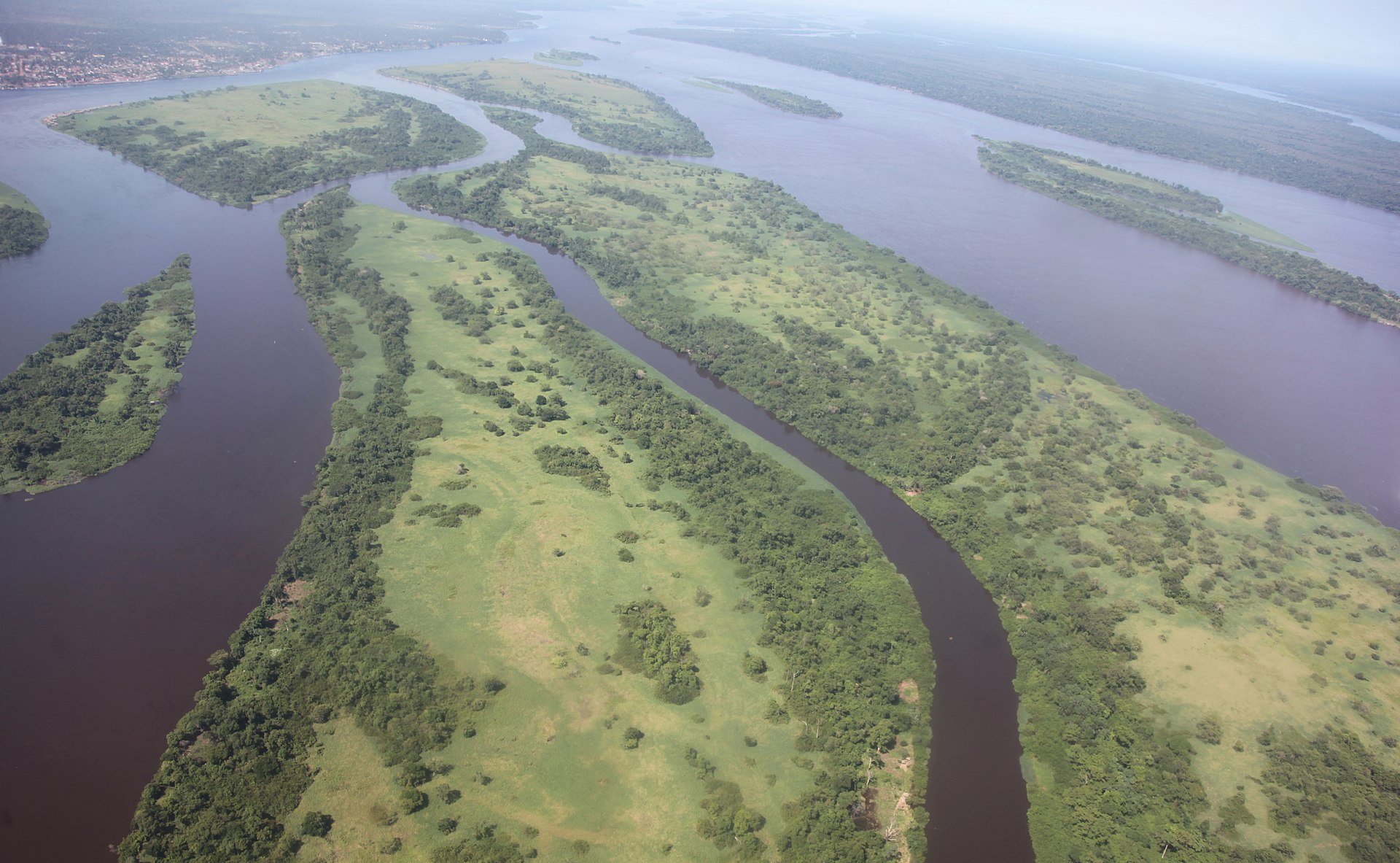
Over the past few years we've followed Ed Stafford as he walked the length of the Amazon River, and Levison Wood as he attempted to hike the Nile River from source to sea. Both men spent months on their respective journeys, as they explored the two longest rivers in the world on foot, while simultaneously inspiring others with their efforts. Now, another British adventurer is planning to take on a similar challenge, when he attempts to trek the 4700 km (2922 mile) length of the Congo River in Africa.
The expedition is currently still in the planning stages, and isn't set to begin until the spring of 2016. That is when explorer Toby Storie-Pugh will launch his attempt to Walk the Congo, an expedition that he believes will take roughly 12-14 months to complete.
The journey will begin at the headwaters of Chambeshi River in northeastern Zambia – the very source of the might Congo River itself. From there, the river descends into the Bangweulu Swamp, before merging into the Luvua, and eventually the Lualaba Rivers. Storie-Pugh will continue along that route until he reaches the village of Kisangani, which his where the Congo officially begins. That town will mark the halfway point of the journey, with the toughest section yet to come.
From there, the route will lead into an 800-mile (1287 km) stretch of thick jungle and flooded forestland that will be incredibly difficult to pass through. That same section of the river passes along the equator, making it an incredibly hot and humid region. If Storie-Pugh and his team successfully make it through what will undoubtedly be the toughest part of the trek, they will reach Kinshasa, the capital of Democratic Republic of Congo. From there, they'll have to make one final push to the end of the river at the Atlantic Ocean.
In terms of how much water flows along the river, the Congo is second only to the Amazon. It is also the deepest river in the world, reaching depths of more than 220 meters (720 ft) at certain points. Combine the massive size of the river with the incredibly tough terrain that surrounds it, and you have a challenge more akin to Ed Staffor's walk along the Amazon, as opposed to Lev's Nile excursion.
Toby won't be completely alone on this expedition. He'll be joined by documentary filmmaker Simone Bazos, who will be documenting the project along the way. He is also taking applications for an expedition co-leader to join the squad and help see the project comes to a successful end. You can check out the qualifications for the position, and see that application by clicking here.
Before he begins training for the Congo, Toby will first head to Nepal in the spring of 2015 to attempt to climb Everest. Once that expedition is complete, he'll then turn his attention more fully on walking the Congo. If all goes according to plan, he will set off on the journey sometime in the spring of 2016.
Find out more at WalkTheCongo.com.
The expedition is currently still in the planning stages, and isn't set to begin until the spring of 2016. That is when explorer Toby Storie-Pugh will launch his attempt to Walk the Congo, an expedition that he believes will take roughly 12-14 months to complete.
The journey will begin at the headwaters of Chambeshi River in northeastern Zambia – the very source of the might Congo River itself. From there, the river descends into the Bangweulu Swamp, before merging into the Luvua, and eventually the Lualaba Rivers. Storie-Pugh will continue along that route until he reaches the village of Kisangani, which his where the Congo officially begins. That town will mark the halfway point of the journey, with the toughest section yet to come.
From there, the route will lead into an 800-mile (1287 km) stretch of thick jungle and flooded forestland that will be incredibly difficult to pass through. That same section of the river passes along the equator, making it an incredibly hot and humid region. If Storie-Pugh and his team successfully make it through what will undoubtedly be the toughest part of the trek, they will reach Kinshasa, the capital of Democratic Republic of Congo. From there, they'll have to make one final push to the end of the river at the Atlantic Ocean.
In terms of how much water flows along the river, the Congo is second only to the Amazon. It is also the deepest river in the world, reaching depths of more than 220 meters (720 ft) at certain points. Combine the massive size of the river with the incredibly tough terrain that surrounds it, and you have a challenge more akin to Ed Staffor's walk along the Amazon, as opposed to Lev's Nile excursion.
Toby won't be completely alone on this expedition. He'll be joined by documentary filmmaker Simone Bazos, who will be documenting the project along the way. He is also taking applications for an expedition co-leader to join the squad and help see the project comes to a successful end. You can check out the qualifications for the position, and see that application by clicking here.
Before he begins training for the Congo, Toby will first head to Nepal in the spring of 2015 to attempt to climb Everest. Once that expedition is complete, he'll then turn his attention more fully on walking the Congo. If all goes according to plan, he will set off on the journey sometime in the spring of 2016.
Find out more at WalkTheCongo.com.
Wednesday, December 24, 2014
Best Hike Treks The Simien Mountains of Ethiopia
If you're looking for a spectacular destination for an adventure in 2015, than perhaps the Simien Mountains in Ethiopia will make a suitable location. My friend Rick McCharles, the editor of BestHike.com, just returned from that amazing setting, and as usual he has all kinds of great tips and photos to share with readers.
Rick launched his journey in Gondar, a small town that is one of the best places to find guides, supplies, and information prior to setting out into the Simien Mountains. A typical trek through the region – which is both a national park and a UNESCO World Heritage site – takes roughly four days to complete. Along the way, travelers pass through the spectacular Ethiopian highlands, visiting local villages, and encountering amazing wildlife as they go.
For those unfamiliar with the Simiens, they are a chain of mountains that stretch across northern Ethiopia. Rugged and remote, the region features rocky plateaus separated by deep gorges and valleys, and towering peaks. The highest mountains in the Simien Range climb above 4400 meters (14,435 ft), making a dramatic and breathtaking backdrop to the walk.
You can read Rick's account of all four days of his journey – starting with Day 1 – by clicking here. Each of his daily reports include very helpful information for anyone who would like to do this trek themselves, as well as an array of great photographs that he shot along the trek. He offers valuable tips that will make anyone's journey to the Simiens an easier one, and helpful advice on how to make such a journey possible. His Simien Trek information page is especially helpful in this regard, and should serve as a great resource for anyone thinking of visiting this part of the world.
One of the parts of the trek that Rick enjoyed the most was spotting wildlife along the trail. He especially enjoyed seeing and interacting with the baboons that were plentiful in the highlands. Seeing those primates in their natural environment was a real treat, and true highlight of the experience for sure.
This isn't the fist time I've had a friend recommend the Simien Mountains as a great trekking destination. I understand that it a truly spectacular part of the world, and that the people there are incredibly friendly and accommodating too. As you start looking ahead for new adventures in 2015, perhaps you'll keep this trek in mind as well. It looks like it was an amazing experience.
Rick launched his journey in Gondar, a small town that is one of the best places to find guides, supplies, and information prior to setting out into the Simien Mountains. A typical trek through the region – which is both a national park and a UNESCO World Heritage site – takes roughly four days to complete. Along the way, travelers pass through the spectacular Ethiopian highlands, visiting local villages, and encountering amazing wildlife as they go.
For those unfamiliar with the Simiens, they are a chain of mountains that stretch across northern Ethiopia. Rugged and remote, the region features rocky plateaus separated by deep gorges and valleys, and towering peaks. The highest mountains in the Simien Range climb above 4400 meters (14,435 ft), making a dramatic and breathtaking backdrop to the walk.
You can read Rick's account of all four days of his journey – starting with Day 1 – by clicking here. Each of his daily reports include very helpful information for anyone who would like to do this trek themselves, as well as an array of great photographs that he shot along the trek. He offers valuable tips that will make anyone's journey to the Simiens an easier one, and helpful advice on how to make such a journey possible. His Simien Trek information page is especially helpful in this regard, and should serve as a great resource for anyone thinking of visiting this part of the world.
One of the parts of the trek that Rick enjoyed the most was spotting wildlife along the trail. He especially enjoyed seeing and interacting with the baboons that were plentiful in the highlands. Seeing those primates in their natural environment was a real treat, and true highlight of the experience for sure.
This isn't the fist time I've had a friend recommend the Simien Mountains as a great trekking destination. I understand that it a truly spectacular part of the world, and that the people there are incredibly friendly and accommodating too. As you start looking ahead for new adventures in 2015, perhaps you'll keep this trek in mind as well. It looks like it was an amazing experience.
Tuesday, December 2, 2014
Outside Names the 20 Most Deadly Hikes in the World
Most people don't regard hiking as being a particularly dangerous activity. After all, millions of people go hiking on a regular basis, and most return home without even a hint of a harrowing tale to share with their friends and family. But depending on the destination, hiking can be a serious adventure, and even quite dangerous at times. With that in mind, Outside magazine has listed their selection for the 20 Most Dangerous Hikes, with some surprising trails making the list.
These 20 hikes are amongst some of the most amazing places to trek on the planet, and the locations range from Guatemala to China, to South Africa, and beyond. In fact, there are hikes on the list from just about every corner of the globe, although North America is particularly well represented.
Amongst the trails that make he cut are Huayna Picchu in Peru, a trail that wanders up an ancient staircase carved out of a mountain by Inca craftsmen 500 years ago. The route climbs more than 1000 feet (305 meters) in less than a mile (1.6 km), offering spectacular views Machu Picchu along the way. But the route is slippery, steep, and crumbling with age, which has earned it the nickname "the Hike of Death."
With its narrow slot canyons, deep gorges, and remote location, The Maze in Canyonlands National Park is another dangerous hike. Just getting there can be quite an adventure, and Outside says that just 2000 people actually go on any given year. Those that do, find a series of twisting, confusing rock corridors that are a clear indication of how the place got its name. The potential for flash floods and rock falls only add to the danger, although thankfully no one has died in The Maze just yet.
Scotland's Aonach Eagach Ridge also earns a spot on Outside's list thanks to its narrow ridge trail, steep slopes, and unpredictable weather. The knife-edge approach to the top of the trails twin mountain peaks is very exposed, often leaving hikers feeling vertigo, and a deep desire to get off the route as quickly, and easily, as possible. Accidents often occur on the descent, as hikers pick the wrong line for their exit from the mountain.
These are just a few examples of the trails that Outside has put on their list. To read the entire collection, and find your next hiking challenge, click here.
These 20 hikes are amongst some of the most amazing places to trek on the planet, and the locations range from Guatemala to China, to South Africa, and beyond. In fact, there are hikes on the list from just about every corner of the globe, although North America is particularly well represented.
Amongst the trails that make he cut are Huayna Picchu in Peru, a trail that wanders up an ancient staircase carved out of a mountain by Inca craftsmen 500 years ago. The route climbs more than 1000 feet (305 meters) in less than a mile (1.6 km), offering spectacular views Machu Picchu along the way. But the route is slippery, steep, and crumbling with age, which has earned it the nickname "the Hike of Death."
With its narrow slot canyons, deep gorges, and remote location, The Maze in Canyonlands National Park is another dangerous hike. Just getting there can be quite an adventure, and Outside says that just 2000 people actually go on any given year. Those that do, find a series of twisting, confusing rock corridors that are a clear indication of how the place got its name. The potential for flash floods and rock falls only add to the danger, although thankfully no one has died in The Maze just yet.
Scotland's Aonach Eagach Ridge also earns a spot on Outside's list thanks to its narrow ridge trail, steep slopes, and unpredictable weather. The knife-edge approach to the top of the trails twin mountain peaks is very exposed, often leaving hikers feeling vertigo, and a deep desire to get off the route as quickly, and easily, as possible. Accidents often occur on the descent, as hikers pick the wrong line for their exit from the mountain.
These are just a few examples of the trails that Outside has put on their list. To read the entire collection, and find your next hiking challenge, click here.
Friday, November 21, 2014
Video: New Documentary to Take Viewers on Epic Traverse of Remote Canadian Mountain Range
This video is a teaser trailer for a new documentary entitled Colours of Edziza. The film follows a diverse team of friends and adventurers as they trek through a remote mountain range in the Tahitian First Nation region of British Columbia in Canada. This part of the world remains largely untouched by outside influences, and the team discovered a land that is as rugged, as it is beautiful. Along the way, they also discovered how to work together to overcome the challenges they faced on their traverse of two different mountain ranges.
The filmmakers for this amazing looking documentary are hoping to complete their project, and have launched an Indegogo campaign to raise the funds they need to finish the film. As I write this, they have raised about $10,000 CAD for the project, and are looking to get to $25,000 CAD. I think after watching the trailer, you'll see that this is an interesting adventure doc that deserves to be seen. If you agree, perhaps you can help out a bit with their goal.
Tuesday, November 18, 2014
Adventures in Quito: Hacienda El Porvenir – A Base Camp for Andes Adventures
Over the course of ten days in Ecuador, I have had the privilege of seeing a number of truly wonderful things, while also staying in some fantastic lodges along the way. If you’ve been reading my posts throughout my travels, you have no doubt seen me mention a couple of these great hotels, several of which I have recommended highly. But nothing prepared me for my stay at Hacienda El Porvenir, a traditional mountain lodge that can serve as your base camp for adventure in the Andes.
El Porvenir isn’t likely to impress on first glance, especially if you’ve visited one of the more modern and upscale lodges in the Quito area. But don’t let the exterior fool you. This is a place that will capture your heart, and call you back for future visits. The hacienda has a charm and character all of its own, and a soul that is pure Ecuadorian.
The main house that makes up the lodge belonged to the same family for six generations. About 15 years ago, they decided to convert it into a hotel, first starting with some very basic accommodations that are not unlike something you’d find in hostel. Over the years, they have expanded the operations, and added on additional rooms and buildings, allowing for El Porvenir to meet the needs of more guests. Those additions include incredibly comfortable suites, family rooms, and options for singles and couples. The result is that the lodge pretty much has something for everyone – and every budget.
The entire hacienda covers more than 1000 hectares (2470 acres) of prime real estate on the edge of Cotopaxi National Park. In fact, on clear days, the massive volcano can be easily seen from the hotel itself. Other prominent peaks throughout the area are visible as well, giving El Porvenir some of the best views in all of Ecuador. All of that land is put to good use as well, as guests can book horseback rides into the highlands, hit custom made mountain biking trails, or go hiking on self-guided or full-guided tours. If you like staying active on your travels, and like to stay at a place that can provide several forms of adventurous pursuits, this is definitely the place for you.
Speaking of the kitchen, the management at El Porvenir has worked hard to create a very tasty menu as well, all with food sourced locally. Their gourmet offerings keep guests very satisfied, with fresh fruits, vegetables, and meats that are purchased from the local communities. As with several of the lodges I stayed in on my trip, the food was definitely a highlight, with the steak filet in gooseberry sauce – made from berries picked right off the mountain – as a true highlight.
My stay wasn’t all about just soaking up the comforts however, as I got to take part in several activities while I was there, including a nice self-guided hike that provided excellent views of the surrounding countryside. But the true highlight was a morning horseback ride into the Andean highlands on a near-perfect day. The ride took us up above 4200 meters (13,780 ft), with Cotopaxi gleaming like a beacon the entire way.
I have to admit that I am not all that comfortable on horseback. Over the years, I have had the opportunity to ride several times, usually in amazing destinations, but for some reason I have never been entirely comfortable in the saddle. But the sure-footed Andean ponies that are in use at El Porvenir are well trained, good-tempered, and extremely easy to ride. After just a few minutes in the saddle I was feeling comfortable and confident, even as we jogged up well-worn trails into the hills surrounding the lodge.
My ride went on for about four hours, with spectacular views at every stage. The thick grasses of the highlands proved to be no impediment for the stout horses, who are capable of carrying large loads, even at attitude. My steed in particular had to work hard, as I am certainly larger than most of the Ecuadorians that I have met on my travels.
Adventurous travelers who want to explore the Andes by horseback will find excellent guides and horses at El Porvenir. Even if you’ve never been on a horse before, they’ll provide you with good training and support, both before and during your ride. I’m told that about 50% of all visitors are complete beginners, but they all do fine once they get settled in the saddle. Judging from my observations, I’d say that is an accurate statement.
While I didn’t get the opportunity to mountain bike one of the outstanding trails at El Porvenir, I did get to see the bikes that guests have at their disposal. They include some top-notch models with disc breaks, full suspensions, and carbon fiber frames. Often times when you visit a lodge such as this one, you get bikes that are old, and lacking features. That isn’t the case here, allowing visitors to ride with confidence. That certainly makes for a much better experience for both new and experienced riders alike.
As I’ve said previously, one of the things that has impressed me the most about Ecuador is how friendly and accommodating the people are. Everyone I have met has been incredibly hospitable, and that includes the staff at El Porvenir. From the moment you arrive, to the time you checkout, the staff is courtesy, professional, and quick to assist. That includes the front desk managers, the cooks and waitresses, and the friendly ladies who deliver hot water bottles to your door each evening, and light the wood burning stoves in the suites. You’d be hard pressed to find a friendlier crew in any mountain lodge around the world, and I believe it is that level service that keeps brining customers back.
If you’re planning a trip to Ecuador yourself, and you’re looking for an unforgettable place to stay, you really do owe it to yourself to book a room at El Porvenir. With options for every budget, great food and service, and plenty of adventure activities on site, this is a truly great lodge. Whether you just want to relax in a serene, picturesque setting, or fill your days with hiking, horseback riding, and mountain biking, you’ll no doubt be charmed by this Andean retreat. It is fun, romantic, and comfortable, with distinct feel that is unlike any other place I have ever stayed. Truly a great Ecuadorian escape.
Tierra del Volcan, the company that owns El Porvenir, also has two other Haciendas in Ecuador, and can arrange a number of other adventures for you in the country as well. Be sure to check out their website to see what else they have to offer.
While I didn’t get the opportunity to mountain bike one of the outstanding trails at El Porvenir, I did get to see the bikes that guests have at their disposal. They include some top-notch models with disc breaks, full suspensions, and carbon fiber frames. Often times when you visit a lodge such as this one, you get bikes that are old, and lacking features. That isn’t the case here, allowing visitors to ride with confidence. That certainly makes for a much better experience for both new and experienced riders alike.
As I’ve said previously, one of the things that has impressed me the most about Ecuador is how friendly and accommodating the people are. Everyone I have met has been incredibly hospitable, and that includes the staff at El Porvenir. From the moment you arrive, to the time you checkout, the staff is courtesy, professional, and quick to assist. That includes the front desk managers, the cooks and waitresses, and the friendly ladies who deliver hot water bottles to your door each evening, and light the wood burning stoves in the suites. You’d be hard pressed to find a friendlier crew in any mountain lodge around the world, and I believe it is that level service that keeps brining customers back.
If you’re planning a trip to Ecuador yourself, and you’re looking for an unforgettable place to stay, you really do owe it to yourself to book a room at El Porvenir. With options for every budget, great food and service, and plenty of adventure activities on site, this is a truly great lodge. Whether you just want to relax in a serene, picturesque setting, or fill your days with hiking, horseback riding, and mountain biking, you’ll no doubt be charmed by this Andean retreat. It is fun, romantic, and comfortable, with distinct feel that is unlike any other place I have ever stayed. Truly a great Ecuadorian escape.
Tierra del Volcan, the company that owns El Porvenir, also has two other Haciendas in Ecuador, and can arrange a number of other adventures for you in the country as well. Be sure to check out their website to see what else they have to offer.
Subscribe to:
Posts (Atom)