Tuesday, December 2, 2014

Outside Names the 20 Most Deadly Hikes in the World

Most people don't regard hiking as being a particularly dangerous activity. After all, millions of people go hiking on a regular basis, and most return home without even a hint of a harrowing tale to share with their friends and family. But depending on the destination, hiking can be a serious adventure, and even quite dangerous at times. With that in mind, Outside magazine has listed their selection for the 20 Most Dangerous Hikes, with some surprising trails making the list.

These 20 hikes are amongst some of the most amazing places to trek on the planet, and the locations range from Guatemala to China, to South Africa, and beyond. In fact, there are hikes on the list from just about every corner of the globe, although North America is particularly well represented.

Amongst the trails that make he cut are Huayna Picchu in Peru, a  trail that wanders up an ancient staircase carved out of a mountain by Inca craftsmen 500 years ago. The route climbs more than 1000 feet (305 meters) in less than a mile (1.6 km), offering spectacular views Machu Picchu along the way. But the route is slippery, steep, and crumbling with age, which has earned it the nickname "the Hike of Death."

With its narrow slot canyons, deep gorges, and remote location, The Maze in Canyonlands National Park is another dangerous hike. Just getting there can be quite an adventure, and Outside says that just 2000 people actually go on any given year. Those that do, find a series of twisting, confusing rock corridors that are a clear indication of how the place got its name. The potential for flash floods and rock falls only add to the danger, although thankfully no one has died in The Maze just yet.

Scotland's Aonach Eagach Ridge also earns a spot on Outside's list thanks to its narrow ridge trail, steep slopes, and unpredictable weather. The knife-edge approach to the top of the trails twin mountain peaks is very exposed, often leaving hikers feeling vertigo, and a deep desire to get off the route as quickly, and easily, as possible. Accidents often occur on the descent, as hikers pick the wrong line for their exit from the mountain.

These are just a few examples of the trails that Outside has put on their list. To read the entire collection, and find your next hiking challenge, click here.

Winter Climbs 2014: And So It Begins...

The official start of the 2014-2015 winter climbing season is still a couple of weeks away, but teams heading to the big mountains are deep in preparation for their expeditions. Most will depart for Pakistan and China in mid-December, ahead of the official arrival of winter on December 21, but one climber has already started his acclimatization process, and isn't looking to waste any time.

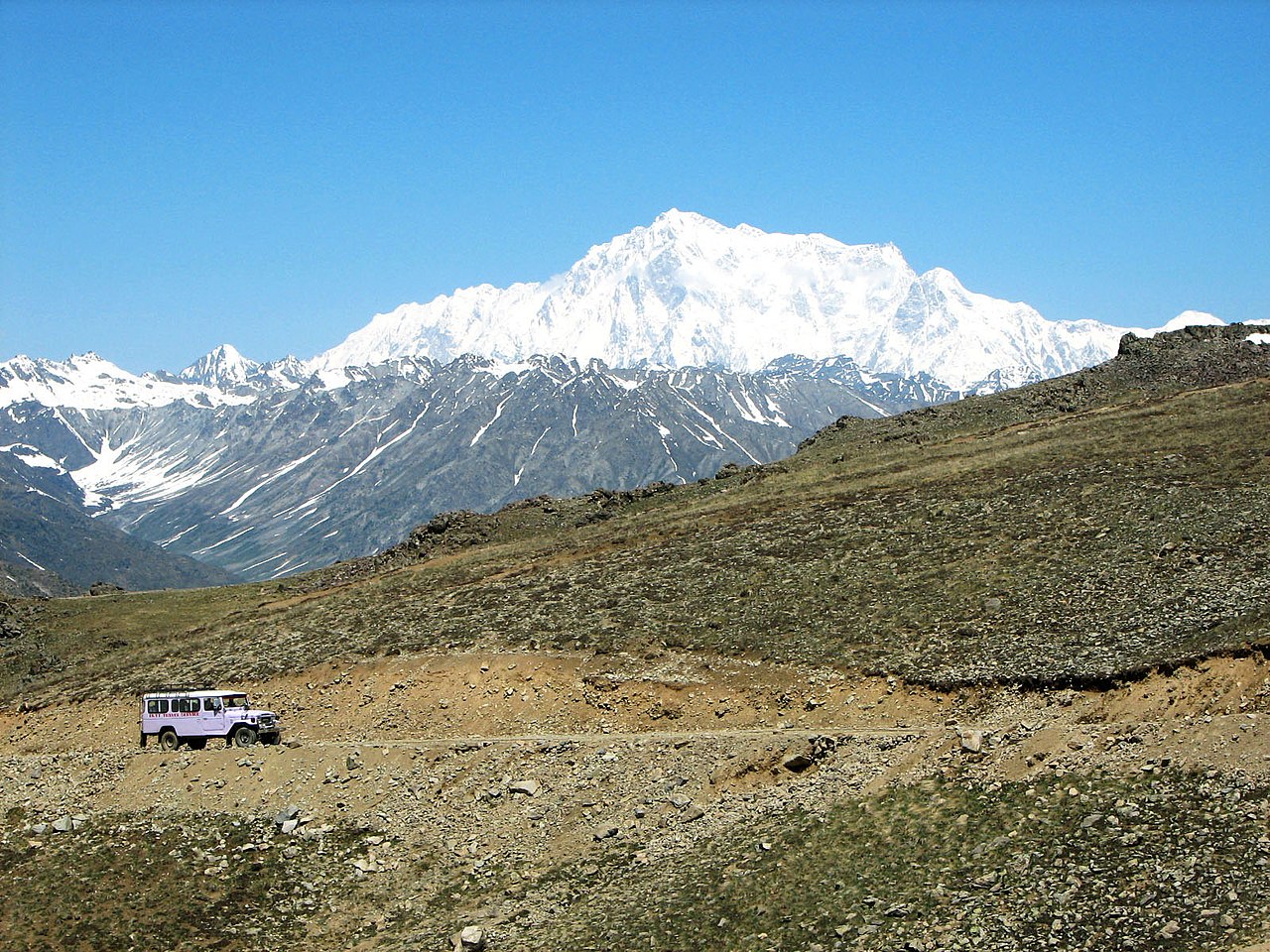
According to a report on ExWeb, Polish climber Tomek Mackiewicz is already in Pakistan, and has been acclimatizing in the Rupal Valley ahead of his attempt on Nanga Parbat this winter. Tomek arrived there in November, giving himself several weeks to adjust to the altitude before heading to the Diamir Face of Nanga.

According to the report, Tomek arrived in Pakistan on November 12, and spent a week organizing his gear and handling administrative tasks in Rawalpindi before arriving in Lattabo on November 21. He has spent the time since then acclimatizing on Rupal and Laila Peak. Those two mountains, 5642 meters (18,510 ft) and 5971 meters (19,589 ft) respectively, will serve as a warm-up before the Polish climber joins his partners – Daniele Nardi and Elisabeth Revel – in Nanga Parbat Base Camp in a few weeks.

Meanwhile, Italian climber Simone Moro continues to press ahead with his plans for a winter climb, even though we don't know what he has in mind just yet. Simone tells Stefan Nestler that he is still waiting on his climbing permit before he announces what his objectives are. He intends to climb this winter, although he won't start until after the first of the year, which is later than usual for a big winter climb. We do know that the expedition will take place in China, as Simone has indicated that he's waiting for the Chinese to issue him the permit, but it is unclear if that his adventure will take him to China proper, or if it will take place in Tibet. Rumors suggested that he might try the North Face of Everest in winter, but officials have indicated that the mountain will be shut down from January 1 to March 31, so clearly that is not his objective.


A veteran of 12 winter climbing expeditions – including three first ascents – Moro is an expert on climbing big peaks in the coldest, harshest season of all. When asked why he isn't on Nanga Parbat or K2 this season, Simone says that his best climbing partners didn't want to accompany him to Nanga this year, and that he promised his wife that he would never climb K2 in the winter after she dreamt that he had perished on that mountain. So now, he prepares for this secret climb instead, and we all wait to see what exactly he has planned.

Moro goes on to say that winter climbing is "pure exploration," unlike any other expedition. He enjoys the fact that the mountain is empty, with no other teams climbing, and that the conditions are extremely challenging. It is a lonely time and place for mountaineers, unlike climbing those same peaks during the warmer months.

Other interesting elements in the interview include Simone's thoughts on how climbing will change on Everest in the wake of the avalanche that claimed 16 lives this past spring, how he has put the high-profile 2013 brawl with Sherpas behind him, and his work as a rescue helicopter pilot in the Himalaya. He also talks about his future in climbing, and at the age of 47, how many more years he has left on these daring expeditions into the Himalaya and Karakoram.

As usually, the interview is a good read, and definitely worth a look for those with an interest in mountaineering on this level.

While the winter climbing season is still a couple of weeks from truly starting, it seems we may have plenty of news to report leading up to it. Stay tuned for more updates.

Monday, December 1, 2014

Video: The Pace of Nature

This video features some beautiful landscapes captured in timelapse, giving us an amazing look at how light and shadow dance across these places. It is a tranquil look at some fantastic outdoor settings, and a perfect way to end a Monday. Enjoy!

The Pace of Nature from The Night Skies on Vimeo.

Video: Speedflying in the Alps

If you're in need of a shot of adrenaline following a long holiday weekend, then look no further than this video. It features skier/paraglider Aaron Durogati as he goes speedflying through the Alps. With a set of skis on his feet, and a parachute deployed overhead, he effortlessly glides down the mountain, providing us some epic views along the way.

Donate to the Himalayan Stove Project on #GivingTuesday

Last week we celebrated Black Friday with millions of holiday shoppers taking to retail outlets en masse in search of the best deals they could possibly find. Today, those same shoppers are looking for great bargains online as part of Cyber Monday. It is all a part of the holiday shopping season, during which many of us get caught up in the mad rush to find that perfect gift for the loved-ones on our shopping lists. But if you've had your fill of the holiday commercialism already, then you may want to take part in Giving Tuesday, a global day for giving back.

There are, of course, many worthy causes and organizations that will be seeking attention during Giving Tuesday, but one of my favorites is the Himalayan Stove Project. If you're a regular reader of this blog, you've probably seen me post about the HSP before. It is a wonderful organization that is dramatically changing the lives of people living in Nepal by replacing their old methods of cooking, with a clean, efficient stove. The benefits that these new stoves bring in terms of health are enormous, and it is difficult to overstate just how life-transforming they actually are. To date, the Himalayan Stove Project has installed more than 3000 clean cook stoves, greatly altering the lives of those families int he process.

On Giving Tuesday, a group of very generous HSP supporters has vowed to match any donations given to the organization, effectively doubling the impact of those contributions. A $100 donation would typically buy a single stove, but tomorrow, that same amount will be doubled, allowing the team to purchase two stoves instead. This makes Giving Tuesday a critical day for the project, which is why it is the perfect day to donate to the cause.

If you would like to help out the Himalayan Stove Project, simply visit their online donations page. Every little bit helps, and on Giving Tuesday, those contributions are going twice as far.

ExWeb Interviews Denis Urubko on Winter K2 Climb

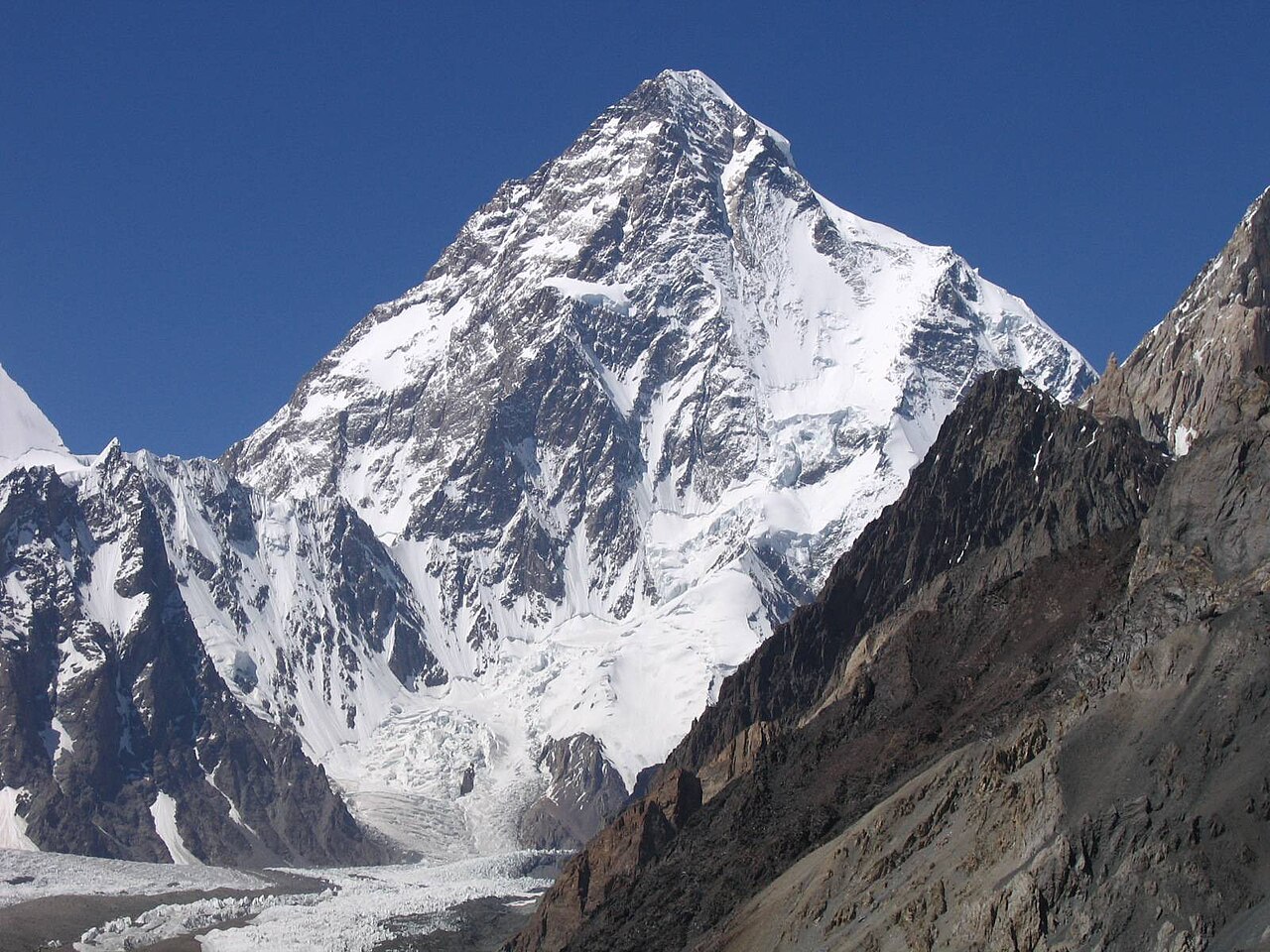
Last week, Explorers Web posted an interesting interview with Denis Urubko, one of the climbers heading to K2 to attempt a winter ascent of that mountain. As you probably already know, K2 and Nanga Parbat are the only 8000 meter peaks that remain unclimbed during the winter, and this year, both peaks will see ambitious teams attempting to summit them once again. Urubko will lead an all-star squad of mountaineers to K2, where they'll attempt the North Face of the mountain from the Chinese side. Joining him will be Adam Bielecki and Alex Txikon, two very experienced climbers, as well as Artiom Braun and Dmitry Siniew.

In the interview, Denis discusses why they chose this route – he feels it offers better protection from the elements – and what conditions he expects to find there during the winter. There has been some discussion that this side of the mountain will be darker and colder than the South Side, but Denis disputes that, saying that they'll be climbing along a route that faces to the east, which should providing good morning sun, and when they climb out of the mountain's shadow they'll find plenty of light to help guide them on their way. He also says that while he expects the mountain to protect them from the harshest of weather conditions, they anticipate they could face -50ºC/-58ºF temperatures and 100 km/h (62 mph) winds. They hope to go to the summit when temperatures are at -40ºC/F, and with winds in a more manageable 50 km/h (31 mph).

Other portions of the interview touch on snow conditions on K2 during the winter, obstacles that the team will face on the route, and their approach to fixing ropes versus just climbing as light as possible. The team hopes to use snow caves at higher altitudes for their camps, and as shelter from the weather, and they plan on making an alpine style push once they are acclimatized and the conditions are right.

As you can imagine, Denis also touches on some important aspects of the climb that he is most concerned about as well, including an icefall that looks like it could be a very dangerous section of the climb, as well as knife edge ridge at 7500 meters (24,606 ft), and a rockfall at 8000 meters (26,246 ft) right below he summit. If the team hopes to reach the top, they'll need to overcome those challenges along the way.

The team will leave for China in just a couple of weeks, and will begin their winter attempt on the toughest mountain on the planet not long after that. I will, of course, be following this expedition very closely in the weeks ahead.

Antarctica 2014: Lonely Days on the Ice

Due to the Thanksgiving holiday here in the States, it has been a few days since I've posted an update on the unfolding Antarctic season. While we have been gathering with friends and family over the past few days, and enjoying some great food in the process, the explorers and adventurers on the frozen continent have continued their struggles to reach the South Pole, or similar destinations. It has not been an easy couple of days for most, with the true challenges of the Antarctic now starting to emerge.

We are about three weeks into the season, and the rigors of the journey have begun to take their toll. No where is that more evident than with Canadian kite-skier Frédérick Dion, who has had to face some of his biggest fears over the past couple of days. According to his home team, Fred called on the satellite phone a few days back in tears, as he entered a massive sastrugi field that he thought would tear his makeshift sled apart. You may recall, his sled suffered major damage awhile back, and it looked like he might have to cancel the expedition. Fred was able to fix the damage however, and has continued on. But the latest area of rough ground that he has been traveling through looked like it might cause his handiwork to come undone, and he was unsure what would happen if it did. Dion is on his way to the South Pole of Inaccessibility, and is now at a point where if he were to become injured or suffered a major equipment failure, an aircraft would not be able to come evacuate him from the ice. That fear and uncertainly, not to mention having been completely alone for three weeks, was unnerving for the Canadian. Fortunately, he was able to rally, and gain confidence as he traveled. On Saturday he knocked off more than 130 km (80 miles), and moved through the danger zone without much difficulty.

At times it is easy to think of these Antarctic explorers as tough, stoic men and and women, who are hardened against loneliness and fear. But Frédérick's latest dispatch gives us a peek into their psyche, and reminds us that they are human just like the rest of us, sharing in our own insecurities and uncertainties. Dion is doing quite well, and is set to reach the POI in good time, and by sharing his worries with those who are following along at home, he gives us new insights into what it is like out there on the ice.


Fellow kite-skier Faysal Hanneche is facing different problems on his journey to the South Pole. Over the past few days, he has had very little wind to help pull him along, which means he has resorted to walking and skiing across the Antarctic. That has made for slower travel of course, but Faysal has nearly made his way to the top of the Antarctic Plateau, so he is continuing to make the best of the situation. His journey will be a traverse of the Antarctic continent, having set out from the Russian Novo station, he'll first travel to the Pole before returning to the coast at Union Glacier.

Are Johnson and his clients –  Stéphanie and Jérémie Gicquel – continue to make good progress towards the South Pole as well. The trio are skiing towards their destination, and covering approximately 27-28 km (16-17 miles) per day in temperatures that are hovering around -40ºC/F with the windchill. Earlier today they skied to a supply drop, where they picked up more food and fuel for their journey. This was met with much anticipation and relief, and signals a nice break from the routine. Tomorrow they'll take a rest day to regain some strength as they sleep, eat, and enjoy some downtime before returning to the trail on Wednesday.

Newall Hunter has now been on the ice for six days and is sharing some of his experiences as well. He has been covering about 26 km (15 miles) per day, which is a good pace for so early in the expedition. Newall says that he generally skies for about two hours before taking a break, which allows him to catch up on food and water. Those breaks are important, but he says that when he stops, he gets incredibly cold, so he prefers to keep moving as much as he can. This is just one more challenge that the explorers face at the bottom of the world, as they continue to press forward toward their goals.

Paula Reid is finally off and running after a few delays to the start of her expedition. She isn't posting much in the way of dispatches about her experiences, but we can still track her progress none the less.  She is skiing to the Pole along the traditional route from Hercules Inlet.

Finally, Tractor Girl Manion Ossevoort has launched her journey to the South Pole in a Massey Ferguson tractor. She has been out on the ice for nine days now, having started from the Novo Station. While driving to the South Pole presents its own set of challenges, it is not really the same as skiing. Still, the team supporting the project is making great progress, and they are on an adventure all of their own. If all goes according to plan, they should arrive at 90ºS by this weekend.

That's all for now. I'll post more updates later in the week.